
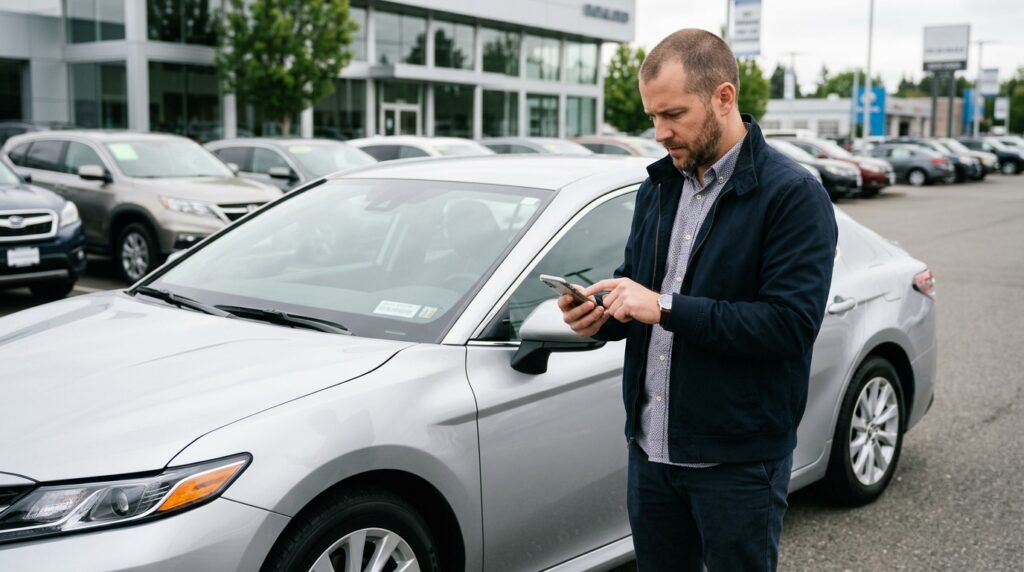
A used car recall check should be part of every smart pre-owned vehicle purchase in 2026. Many buyers still focus on mileage, price, color, financing, and monthly payment first. Those details matter. However, safety history matters just as much. A vehicle can look clean, drive well, and still have an open recall that needs attention.
This is especially important now because late-model used cars are more complex than older vehicles. Many include airbags, cameras, radar sensors, driver-assistance systems, software-controlled features, advanced braking systems, and connected technology. Therefore, a recall is no longer just a small paperwork issue. It can affect safety, repair timing, resale value, and long-term ownership confidence.
A recall does not always mean a car is a bad buy. In many cases, the repair may be simple and free through an authorized dealer. However, buyers should know about it before signing. If a recall is open, you need to understand what the problem is, whether parts are available, and how soon the repair can be completed.
This guide explains how to handle a used car recall check before you buy. It also shows how recall research fits with inspection, software updates, financing, and total ownership cost. The goal is simple: help you buy a safer pre-owned vehicle with fewer surprises.
Why a Used Car Recall Check Matters More in 2026
Used-car shopping has changed. A few years ago, buyers mainly asked about accidents, maintenance records, title status, engine condition, and tire wear. Those questions are still important. However, modern vehicles now have more safety technology and more electronic systems. Because of that, the buying checklist needs to be stronger.
A used car recall check helps you see whether a specific vehicle still needs a safety-related repair. The National Highway Traffic Safety Administration, or NHTSA, offers a recall lookup tool that allows buyers to search by VIN or license plate. You can use it here: NHTSA recall lookup tool.
NHTSA explains that a VIN or license plate search can show whether a specific vehicle needs repair as part of a recall. This is valuable because general make-and-model research is not always enough. Two vehicles from the same year and model may not have the exact same recall status.
In 2026, this matters even more because affordability pressure is pushing more shoppers toward used vehicles. Cox Automotive has noted that used vehicle demand remains supported by affordability trends. As more buyers choose pre-owned cars, safety checks become even more important.
Open recalls can affect safety and confidence
A recall is issued when a vehicle, equipment, tire, or car seat has a safety-related defect or does not meet safety standards. That is not something to ignore. Some recalls may involve airbags, braking systems, electrical problems, fuel leaks, seat belts, fire risks, steering, software, or visibility concerns.
Not every recall has the same urgency. Some are minor. Others need quick attention. For example, certain recall notices may include warnings such as “Do Not Drive” or “Park Outside.” That is why buyers should not treat all recalls as equal. Instead, read the recall details carefully and ask direct questions.
If you are buying from a dealer, ask whether the recall has already been repaired. Also ask for paperwork. Do not rely only on verbal promises. If the seller says the issue was fixed, request proof from an authorized dealer or service record.
VIN checks are stronger than general research
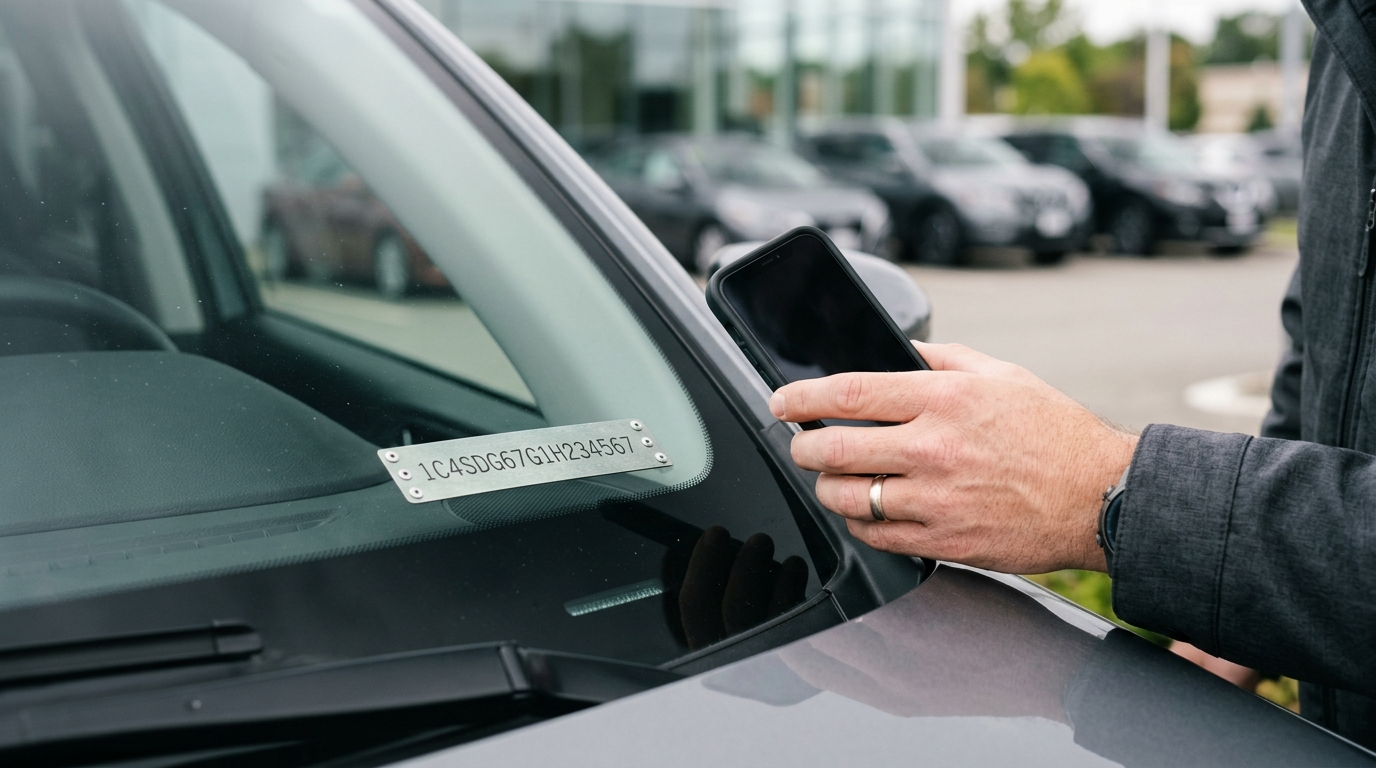
A VIN check is more specific than searching a vehicle by model name. The VIN is the vehicle identification number. It is usually visible through the lower corner of the windshield. It may also appear on registration documents, insurance records, and door-jamb labels.
Before buying, copy the VIN carefully. Then run it through the NHTSA recall tool. Also compare the VIN on the dashboard, title, and seller documents. If the numbers do not match, slow down. A mismatch can signal paperwork problems, title concerns, or a vehicle history issue that needs deeper review.
Recall repairs may be free, but timing still matters
Manufacturers are generally required to provide a proper remedy for safety recalls. That may include repair, replacement, refund, or in rare cases repurchase. However, timing can still matter. Parts may not be available immediately. Dealer appointments may take time. Also, some recall repairs may require more than a quick visit.
Because of that, you should not assume an open recall is harmless. Ask what the recall involves, and whether the local dealer has parts. Ask whether the repair can be completed before delivery. If you need the vehicle immediately for work, family, or commuting, repair timing becomes part of the buying decision.
Modern used cars add software and sensor concerns
Recalls are not always purely mechanical anymore. Some late-model vehicles may need software updates, control module repairs, sensor checks, or system recalibration. That connects closely with modern used-car buying because newer vehicles often rely on digital systems for daily convenience and safety.
For that reason, recall research should sit beside software and connected-feature checks. If you are considering a newer pre-owned vehicle, read our guide on used car OTA updates in 2026. It explains why software status, account transfer, and update history now belong on the buyer checklist.
Also, remember that safety technology can affect repair costs. Cameras, sensors, and electronic modules may need correct calibration after certain repairs. So, a vehicle with advanced features should be inspected carefully. A recall check is one part of the process, not the whole process.
Do not confuse recalls with service bulletins
Buyers sometimes confuse recalls with technical service bulletins. They are not the same. A safety recall deals with a safety-related defect or compliance issue. A technical service bulletin may describe a known problem and repair guidance, but it does not always mean the vehicle has a safety recall.
This difference matters because a recall repair may be handled differently from a normal repair concern. Before you buy, ask whether there are open recalls, service campaigns, or known service bulletins. Then ask what has already been completed. A clean answer should come with documentation, not vague reassurance.
How to Do a Used Car Recall Check Before You Buy
A used car recall check is simple, but it should be done in the right order. First, collect the VIN from the actual vehicle. Next, search the VIN using a trusted recall lookup tool. Then review the recall description. After that, ask the seller for repair records. Finally, confirm any open recall with a brand dealer if the issue looks serious.
Do this before you negotiate too deeply. If you discover an open recall late in the process, you may feel pressured to ignore it. However, if you check early, you can make a better decision. You can also use the information to ask smarter questions.
This process also helps you compare vehicles. If two similar cars are available, the one with cleaner recall documentation may be the better choice. That does not mean you should reject every vehicle with a recall. Instead, judge how serious the recall is, whether it has been fixed, and how transparent the seller is.
Build recall checks into your full buying process
The strongest used-car buyers do not rely on one check. They combine several steps. A recall lookup, vehicle history report, service record review, test drive, financing review, insurance quote, and independent inspection all work together. Each one catches a different risk.
For example, a car may have no open recalls but still have poor maintenance records. Another vehicle may have an open recall but excellent service history and a repair appointment already scheduled. Context matters. That is why the best buying process looks at the full ownership picture.
Recall checks also connect to long-term cost. If a vehicle has unresolved safety repairs, missing records, or tech-related concerns, it may cost more time and effort after purchase. Our guide on used car total ownership cost in 2026 explains why the cheapest listing is not always the cheapest car to own.
If you want added peace of mind, certified pre-owned vehicles may also be worth comparing. A CPO vehicle is not automatically perfect, but it may come with stronger inspection standards and better documentation. Read our guide on why certified pre-owned cars are trending in 2026 before paying a CPO premium.
Questions to ask the seller before signing
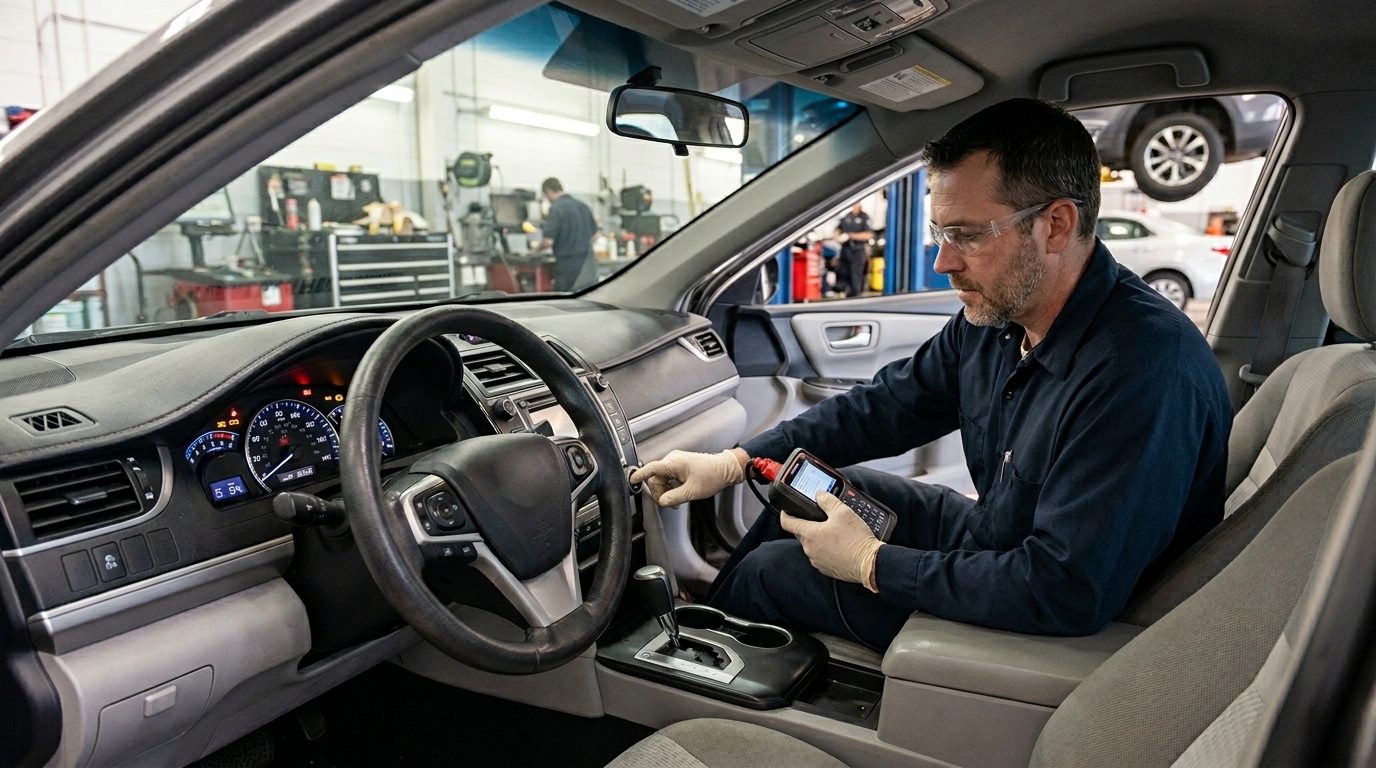
Ask direct questions before you sign anything. Does this vehicle have any open recalls? Has the recall repair already been completed? Can you show the repair order? Was the repair done by an authorized dealer? Are there any pending software campaigns or safety updates? Will the vehicle be delivered only after the recall is handled?
Also ask whether the price reflects any unresolved issue. If a seller avoids the topic, be careful. A trustworthy seller should not be offended by recall questions. In fact, clear answers can make the vehicle feel more credible.
Finally, do not let financing pressure make you skip safety research. A low monthly payment can feel exciting, but unresolved issues can create regret later. If you are still comparing loan options, read our guide on how to secure the best financing for your used car purchase. If you are trading a vehicle, also review negative equity car loan risks in 2026 before rolling old debt into a new deal.
In the end, a used car recall check is not complicated. It is a basic safety step that too many buyers still skip. A few minutes with the VIN can reveal whether a vehicle needs important repair work. It can also help you ask better questions, compare listings more fairly, and avoid buying with incomplete information.
The smartest used-car purchase is not only about getting a good price. It is about getting a safe, documented, and reliable vehicle that makes sense after you drive away. So, before you fall in love with the deal, check the VIN, read the recall status, ask for proof, and make sure the car is ready for the road.