
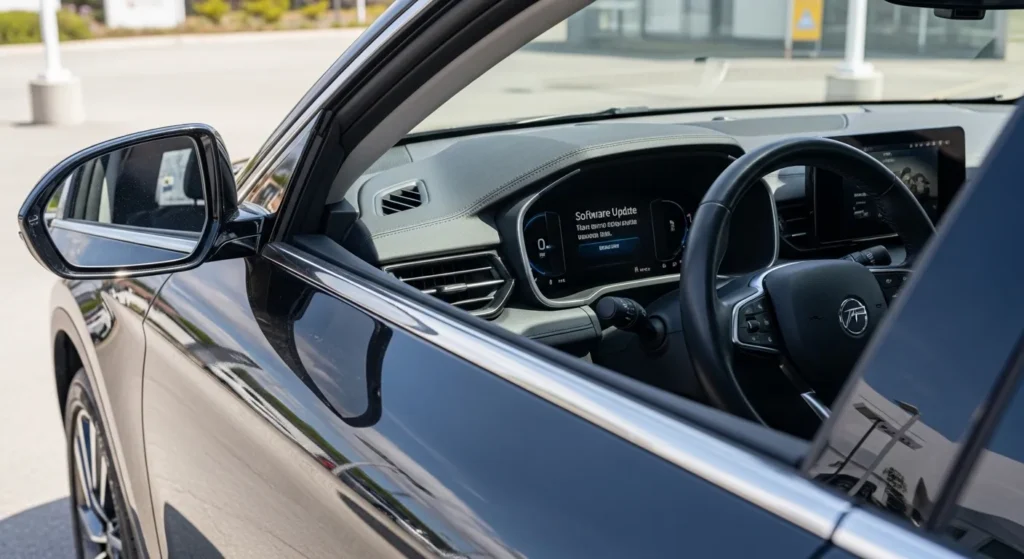
Buying a vehicle today is no longer just about mileage, service records, tire condition, and whether the transmission feels smooth on a test drive. More late-model vehicles now rely on software for everyday features, connected services, driver-assistance tools, and account-based functions. That is exactly why used car OTA updates in 2026 deserve more attention from buyers. A vehicle can look clean, drive well, and still come with digital questions that affect convenience, value, and long-term ownership.
OTA stands for over-the-air updates. In simple terms, that means certain vehicle software can be updated remotely instead of requiring a traditional service visit every time something changes. For buyers, that sounds convenient, and sometimes it is. A used vehicle may receive improvements to infotainment, navigation, app connectivity, charging settings, bug fixes, and system stability after it leaves the lot. In some cases, updates may also affect features tied to safety systems, usability, or compliance. The problem is that many used-car shoppers still do not ask the right questions before they buy.
That matters because software support is not the same across every brand, model year, trim level, or ownership situation. Vehicles receive useful updates for years. Only get limited improvements. Some may require a connected account, an active trial, or a paid subscription for the most useful digital tools. That is why this topic pairs naturally with our guide on used cars with connected services in 2026. If you are buying a newer pre-owned vehicle, software and connected access now belong on your checklist just as much as brakes, tires, and body condition.
Why Used Car OTA Updates in 2026 Matter More Than Buyers Think
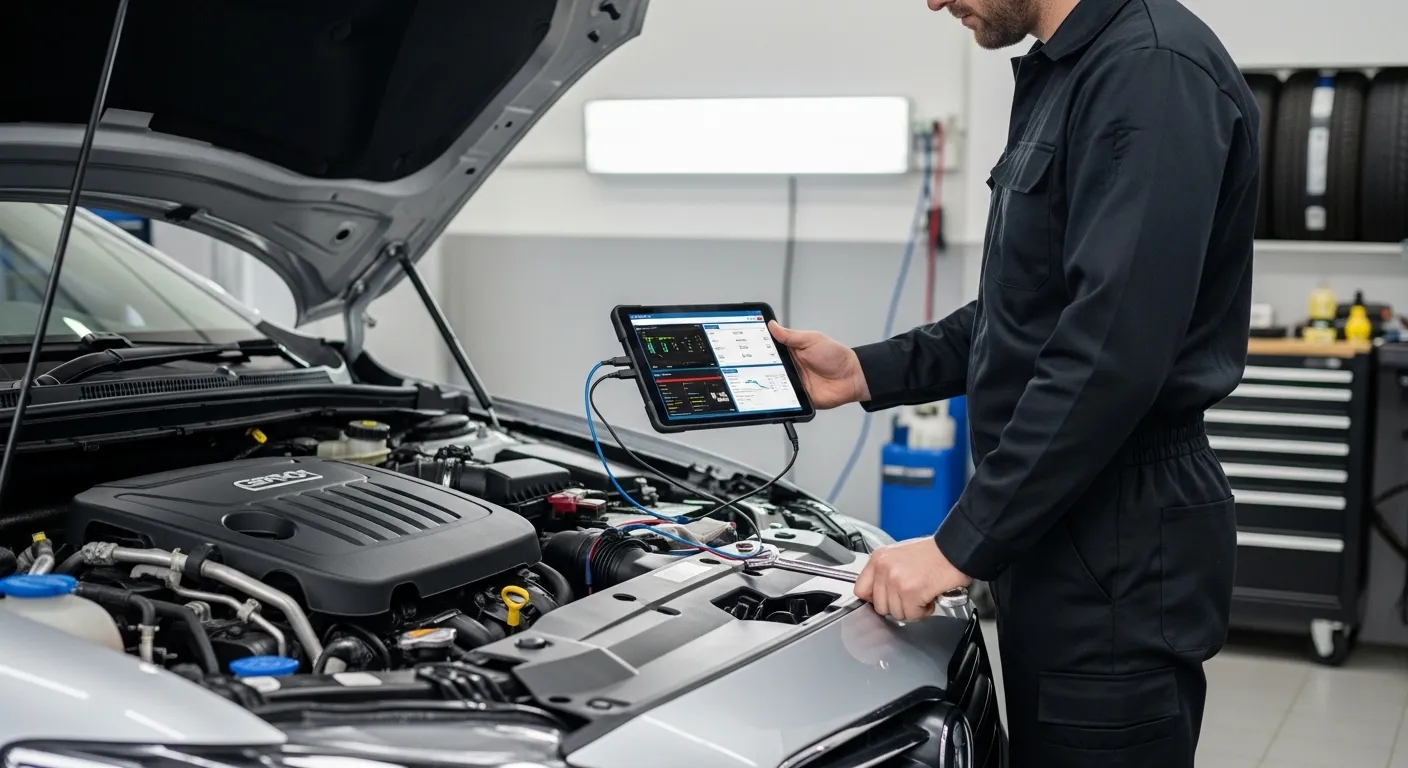
The biggest mistake buyers make is assuming software is a minor extra. It is not. In many newer vehicles, software now shapes how the screen works, how the phone app connects, how digital keys or remote access behave, how charging settings are managed, and sometimes how advanced convenience or assistance features are delivered. That does not mean every update is dramatic. Some are small and invisible. But even small updates can affect day-to-day ownership in ways that become obvious only after you take the car home.
For that reason, used car OTA updates in 2026 should be treated as a practical buying issue, not just a tech headline. You are not shopping for a smartphone on wheels, but you are shopping in a market where software increasingly affects the ownership experience. Buyers who understand that early are less likely to be blindsided later.
What OTA updates can actually change on a used car
Not every vehicle gets the same type of remote update, and not every update changes something the driver will immediately notice. Still, it helps to understand the areas where OTA support may matter. The goal is not to get impressed by buzzwords. The goal is to know what you are paying for.
Infotainment, app access, and convenience features
This is where many buyers feel the impact first. A used vehicle may rely on software for screen menus, navigation behavior, voice assistant functions, app pairing, remote lock and unlock, trip data, or climate pre-conditioning. If the previous owner never updated the system, or if account access was not transferred correctly, you may inherit a car that feels more frustrating than expected. It may still drive well, but the digital side of ownership can feel unfinished.
That is one reason late-model used vehicles need a more modern inspection process. Our post on used car total ownership cost in 2026 explains why hidden ownership costs matter. Software-related access problems, expired services, or missing app functionality can become part of that real cost even when the sticker price looks attractive.
Charging settings, estimates, and driver-assistance behavior
In some vehicles, software can influence charging schedules, range estimates, camera systems, interface responsiveness, and the way convenience or assistance features are presented to the driver. That does not mean a used vehicle suddenly becomes brand new after an update. It means software can still shape how polished or annoying the ownership experience feels. If you are already comparing vehicles with modern safety tech, this connects directly with our article on how to buy a used car with ADAS safety features in 2026.
It also matters for buyers comparing electrified vehicles. If you are shopping an EV or plug-in model, software can be part of the ownership picture alongside battery condition, charging habits, and thermal management. That is why buyers looking at electric options should also review pre-owned electric vehicle battery health in 2026.
Why software support varies more than most shoppers realize
Here is the hard truth: not all OTA capability is equal. Some vehicles only get minor infotainment fixes. Others may support broader system updates. Some brands make remote updates easy, while others still rely more heavily on dealer visits for certain changes. Model year matters. Trim level matters. Connected account status matters. In some cases, the vehicle may technically support digital features, but the previous free period has expired or the new owner has to set everything up from scratch.
Free trials, subscriptions, and account transfer problems
This is where buyers get caught sleeping. A seller may advertise a used vehicle as “fully loaded” because it has app-based features, remote access, premium navigation, or connected convenience tools. However, some of those functions may depend on an active account or subscription. The feature may exist physically in the vehicle but not be fully usable without another step, another registration, or another payment.
That is why you should never treat digital features as automatically included just because they showed up in the original sales brochure. Confirm what still works, what transfers to you, and what costs extra. If you want the bigger market context behind this shift, our piece on top automotive tech trends at CES 2026 shows why software-defined vehicle features are no longer niche talking points.
What Buyers Should Check Before Buying a Used Car With OTA Support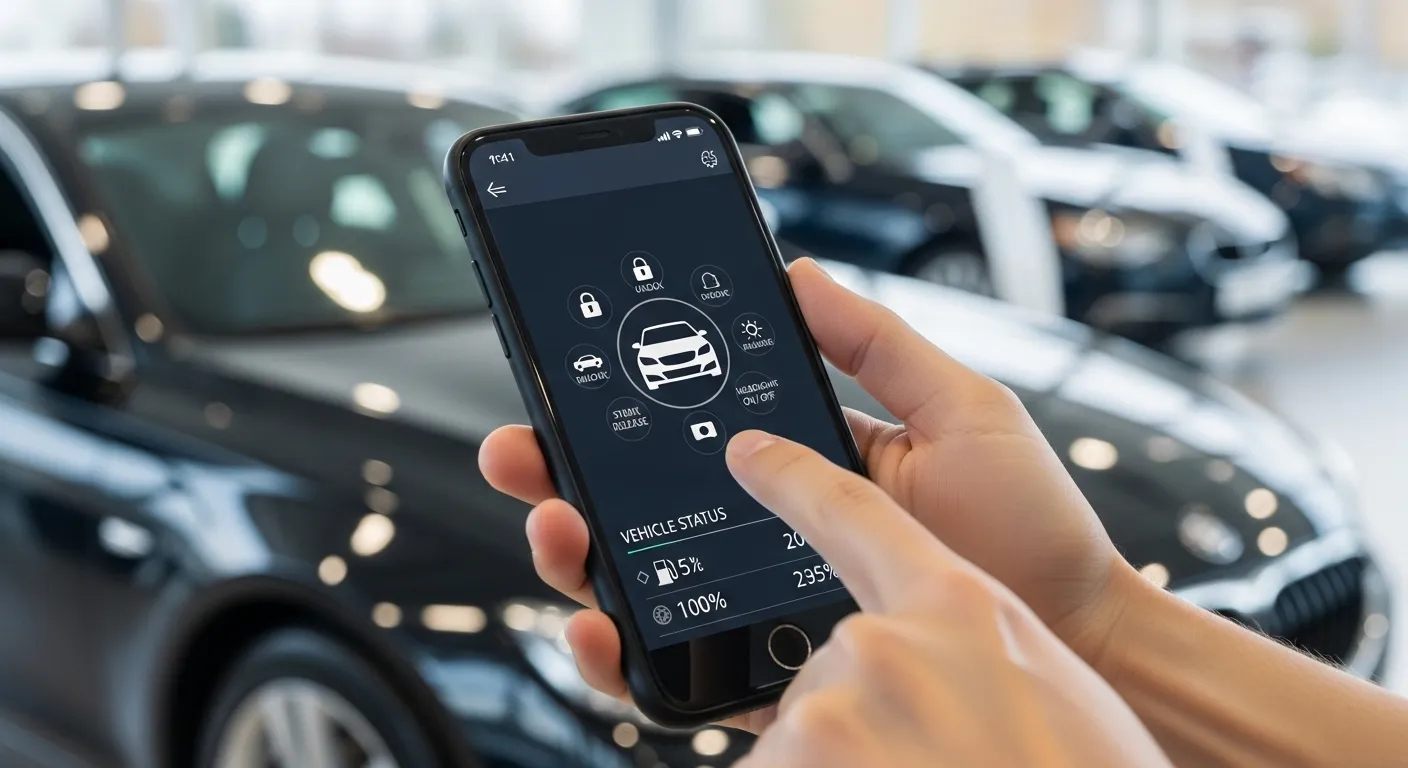
Once you understand the risk, the next step is simple: ask better questions. This part is not complicated, but it does require discipline. Buyers often spend too much time comparing colors, screens, and trim names and not enough time confirming whether the vehicle’s digital side is actually working the way it should.
The smart pre-purchase checklist for OTA-capable used cars
Start by asking whether the seller can show you the current software status on the car. Ask whether the vehicle has received updates regularly, whether any connected services are active, and whether the account can be transferred cleanly to a new owner. If the car uses a mobile app, ask to see whether the app functions are still available and whether the seller has removed personal account links. You should also ask whether any software campaigns, recall-related updates, or service actions are still outstanding.
What to verify before you sign anything
Before you buy, verify these points clearly:
First, check that all major screens, cameras, pairing functions, and menus behave normally during your test drive. Second, ask whether there is any record of recent software or dealer service history. Third, confirm whether features tied to a connected account will transfer to you without drama. Fourth, review whether there are any open recalls or software-related service campaigns. For outside reference, NHTSA’s vehicle cybersecurity page is a useful reminder that update mechanisms now matter in the modern vehicle world, not just in consumer electronics.
After that, treat the vehicle like any other serious purchase. Get an inspection. Compare total ownership cost. Review financing carefully. If the car is late-model and tech-heavy, do not rush because the interior looks sharp and the screen lights up nicely. A smarter buying process still beats a flashy feature list every time. If you need help on that side of the transaction, our guide on how to secure the best financing for your used car purchase and the ultimate guide to buying a reliable pre-owned vehicle will help you close the deal with fewer regrets.
In the end, used car OTA updates in 2026 are not a reason to avoid newer pre-owned vehicles. They are a reason to buy smarter. A software-enabled used car can still be an excellent choice if the digital features work, the account access is clean, the support situation is clear, and the rest of the vehicle checks out mechanically. That is the standard to keep. Not hype, not marketing language, and not whatever feature list looked impressive in the original brochure.