
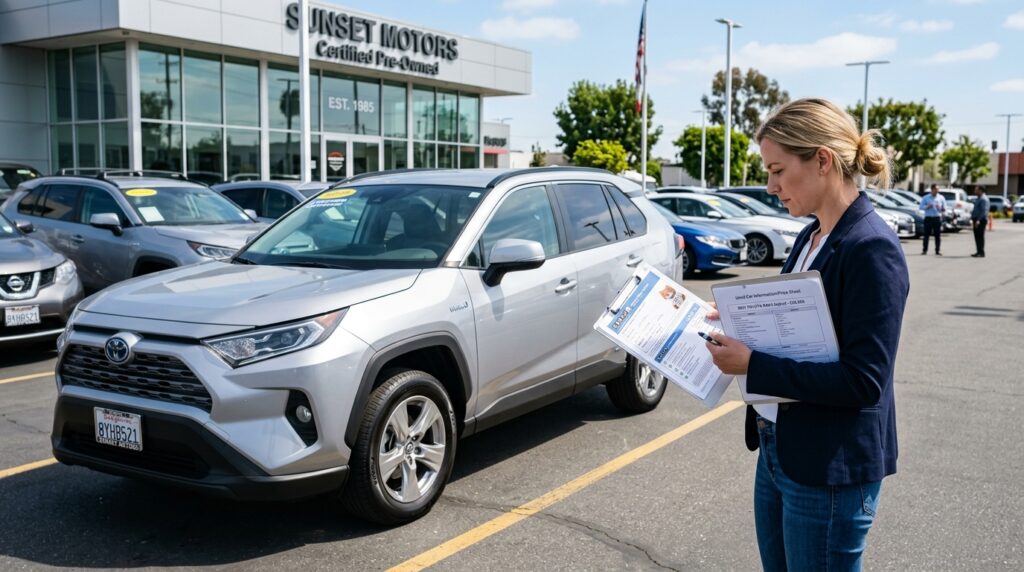
Used hybrid cars are becoming one of the smartest options for buyers who want fuel savings without the full commitment of an electric vehicle. In 2026, many shoppers want lower running costs, better mileage, and dependable daily driving, but they may not be ready for charging stations, battery range planning, or higher EV insurance questions. That is why pre-owned hybrids are getting more attention.
A hybrid gives buyers a middle ground. You still use gasoline, but the electric motor helps reduce fuel use, especially in city driving. For commuters, students, families, delivery drivers, and budget-focused shoppers, that can make a real difference over time. However, rising demand also means buyers need to shop carefully. A popular used hybrid can still become expensive if the price, battery condition, service history, or financing terms are not right.
The key is simple: do not buy only because the car says “hybrid.” A smart buyer should compare total ownership cost, inspect the hybrid system, review maintenance records, check fuel economy, and make sure the price matches the vehicle’s age and condition. Used hybrid cars can be a great value, but only when you know what to check before signing.
Presta Cars already covers helpful related topics like why fuel-efficient used cars are surging in 2026 and used car total ownership cost in 2026. This guide focuses specifically on hybrids and how to avoid paying too much in a competitive market.
Why Used Hybrid Cars Are Trending In 2026
The demand for used hybrid cars is growing because buyers want practical savings. Gas prices, insurance costs, loan rates, and repair bills have made car ownership feel more expensive for many households. A hybrid can help reduce fuel stops without asking drivers to change their entire routine.
Unlike a fully electric vehicle, a regular hybrid does not need to be plugged in. The battery charges through driving and regenerative braking. This makes hybrids easier for people who live in apartments, rent homes, park on the street, or drive in areas where charging is not convenient. Buyers get better fuel economy while keeping the familiar habits of a gasoline car.
Hybrids offer a practical bridge between gas and EVs
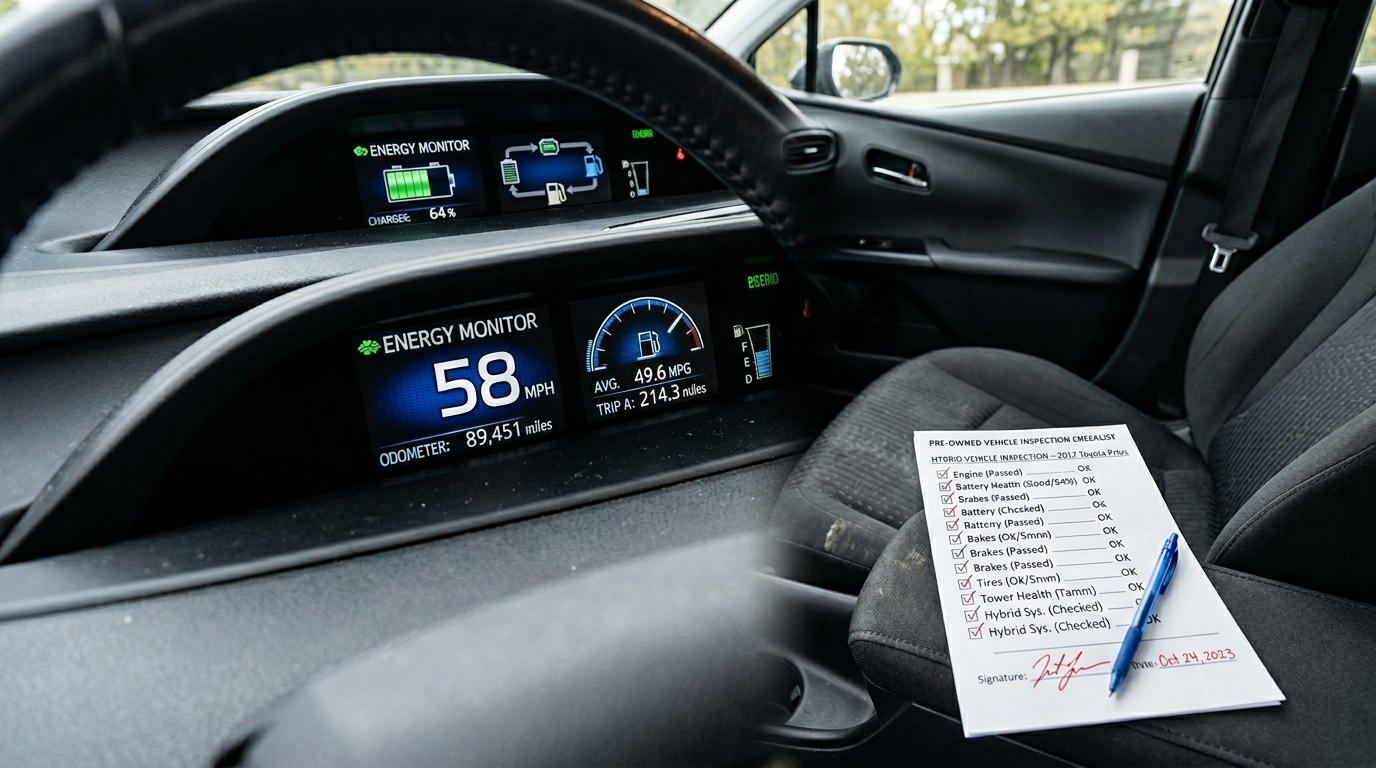
Many shoppers like the idea of electric driving, but they still worry about charging access, range, battery degradation, and long road trips. A hybrid removes many of those concerns. You can fill up at any gas station and continue driving like normal, but the hybrid system helps improve efficiency.
This practical balance is one reason hybrids are performing well in the used market. Buyers who feel unsure about used EVs may see hybrids as the safer step. At the same time, shoppers who want better mileage than a traditional gas car may find hybrids more appealing than older compact sedans or small SUVs.
Fuel savings depend on your real driving habits
Not every buyer will save the same amount. Hybrids often perform best in stop-and-go traffic because the electric motor helps during low-speed driving. City commuters may see stronger benefits than drivers who spend most of their time on open highways.
Before buying, compare the hybrid model with a similar gas-only version. FuelEconomy.gov offers official tools that help shoppers compare fuel economy and potential savings. You can review hybrid information here: FuelEconomy.gov hybrid vehicle guide.
Strong demand can push prices higher
The popularity of hybrids can create a problem for buyers. When more people want the same type of vehicle, sellers may have more pricing power. A used hybrid with low mileage, clean records, and strong fuel economy can attract attention quickly.
This does not mean every hybrid is overpriced. It means buyers should compare listings carefully. Look at mileage, trim level, accident history, battery warranty, service records, tire condition, and local market prices. A slightly higher price may make sense for a clean, well-maintained hybrid, but a high price does not automatically mean high value.
Do not ignore financing costs
A good sticker price can still become expensive with the wrong loan. Interest rate, loan term, down payment, fees, and add-ons can change the true cost of the car. Some buyers focus only on the monthly payment and miss the total amount they will pay over the life of the loan.
If you plan to finance a hybrid, review Presta Cars’ guide on how to secure the best financing for your used car purchase. A smart financing plan can protect your budget just as much as choosing the right model.
How To Buy A Used Hybrid Without Regrets
Buying used hybrid cars requires a slightly different checklist than buying a regular gas vehicle. You still need to check the basics: mileage, title status, service history, tires, brakes, fluids, suspension, accident history, and interior condition. However, you should also pay attention to the hybrid battery, regenerative braking system, warning lights, dashboard indicators, and manufacturer-specific service needs.
A hybrid can last a long time when properly maintained. Many popular hybrid models have strong reliability reputations. Still, every used car depends on its history. A clean-looking hybrid may hide poor maintenance, accident damage, flood exposure, or battery issues. That is why inspection matters.
Inspect the hybrid system before buying
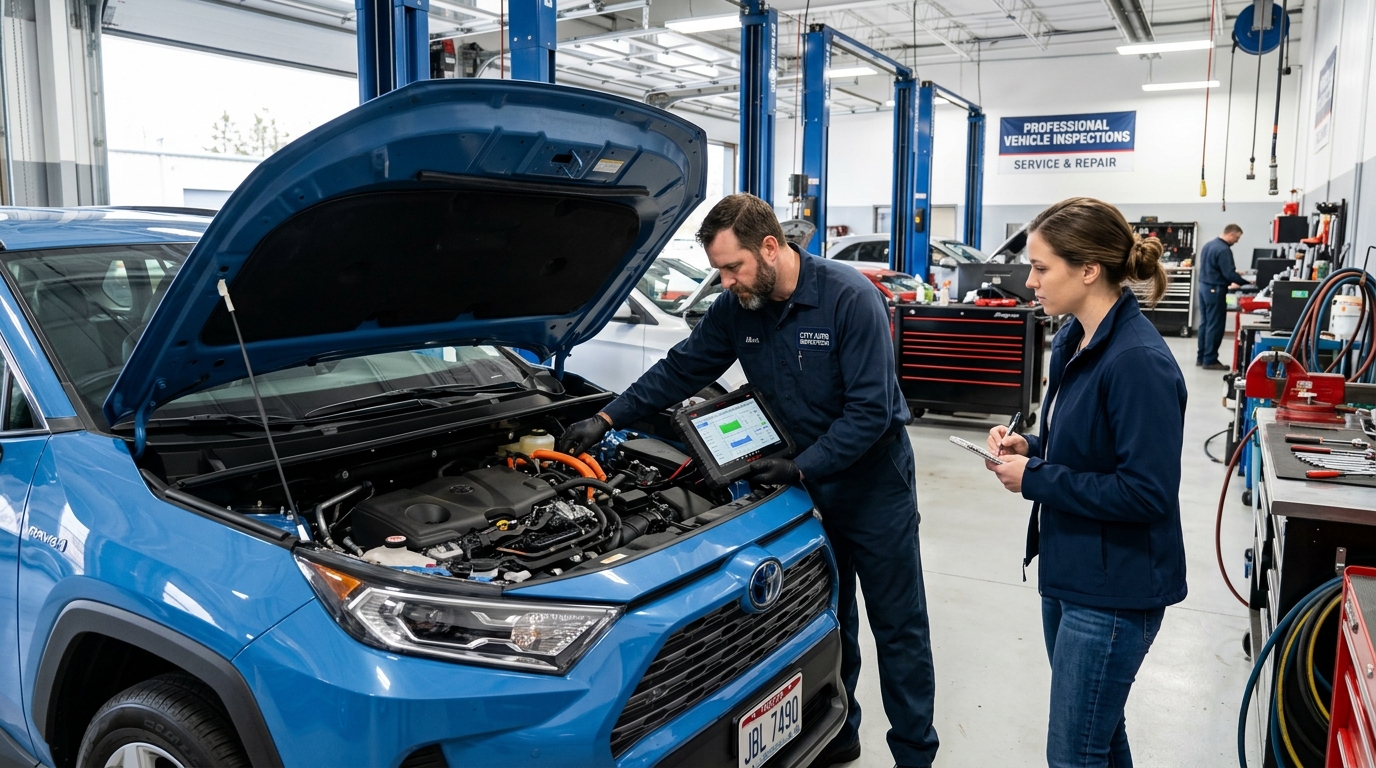
A pre-purchase inspection is one of the best ways to avoid regret. Ask a qualified mechanic to check the car, especially if the vehicle is older, has high mileage, or comes from a private seller. The inspection should include diagnostic scanning, battery health indicators, warning lights, engine condition, transmission behavior, brake function, cooling systems, and road-test performance.
Pay attention during the test drive. The car should accelerate smoothly, brake predictably, and switch between gas and electric power without harsh behavior. Warning lights, rough starts, weak acceleration, strange noises, or poor fuel economy can signal problems that deserve a closer look.
Battery health matters, but do not panic automatically
Many shoppers worry about hybrid battery replacement. That concern is understandable, but it should not scare you away from every used hybrid. Battery life depends on the model, age, climate, driving habits, and maintenance history. Some hybrid batteries last many years, while others may need repair or replacement sooner.
Ask about the remaining warranty and check whether the battery has ever been replaced. If the car has high mileage, ask for a diagnostic report. Battery-related repairs can be costly, so you want facts before you buy. This is similar to the mindset needed for electric cars, which Presta Cars explains in pre-owned electric vehicle battery health.
Compare total ownership cost, not just MPG
Fuel economy is important, but it is not the only number that matters. A used hybrid with great MPG may still cost more if insurance is high, tires are expensive, parts are limited, or the loan terms are weak. Compare the full picture before deciding.
Look at fuel savings, insurance quotes, expected maintenance, registration fees, repair costs, financing, depreciation, and warranty coverage. A reliable hybrid with slightly lower MPG may be a better choice than a cheaper model with unclear records. A smart purchase balances fuel savings with long-term dependability.
Buyers should also think about lifestyle. A compact hybrid may work well for commuting but feel too small for a family. A hybrid SUV may offer more space but cost more upfront. A plug-in hybrid may save more fuel if you can charge at home, but it may not make sense if you never plug it in.
Used hybrid cars can be a strong choice in 2026 because they offer fuel savings, familiar driving, and broad everyday usability. The best buyers will not chase hype. They will compare prices, check history, inspect the hybrid system, review financing, and choose a vehicle that fits their real driving habits.
If you are shopping for a pre-owned hybrid, take your time. Compare similar listings, ask for records, test drive carefully, and get an inspection before you commit. A good used hybrid can help you save money at the pump, reduce ownership stress, and enjoy a dependable vehicle without jumping too quickly into a full EV purchase.