
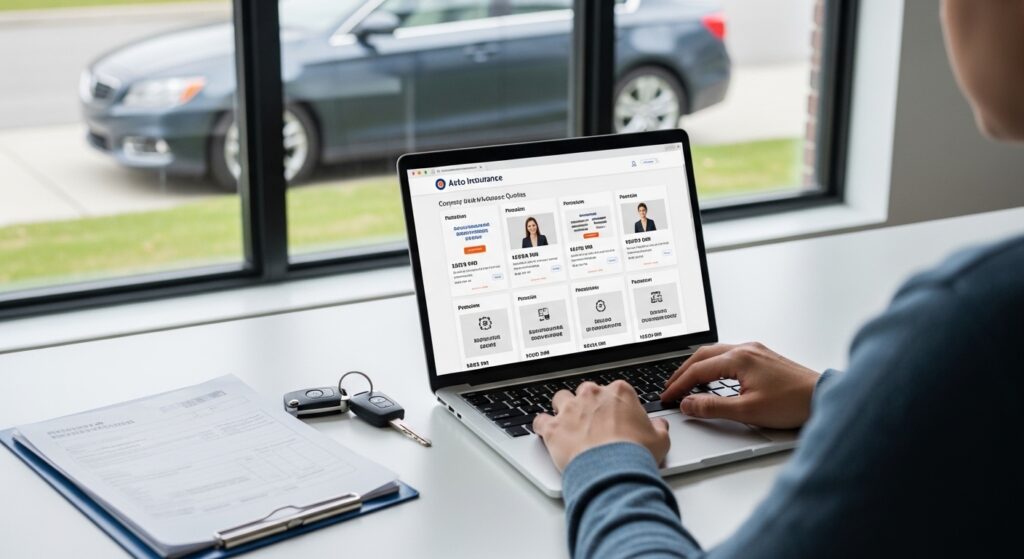
Used car insurance costs can change the real price of a vehicle fast. A car may look affordable on the listing. However, the monthly cost can feel very different after insurance, fuel, financing, repairs, and registration are added.
Many used car buyers focus first on the sticker price. That makes sense. Still, the purchase price is only one part of the deal. Insurance can become one of the biggest ongoing costs after the sale.
In 2026, buyers need to compare more than mileage, trim, and monthly payment. They also need to check insurance quotes before choosing a vehicle. Otherwise, a “good deal” can become expensive every month.
This guide explains why insurance costs matter, what vehicle details can affect premiums, and how to shop smarter before signing paperwork.
Why used car insurance costs matter more in 2026
Insurance is not a small side expense anymore. In many households, it can decide whether a vehicle truly fits the budget. For that reason, smart buyers should treat insurance as part of the purchase process.
According to Bankrate, average auto insurance costs remain high in 2026. That does not mean every driver pays the same amount. However, it shows why buyers should check their own quotes early.
Several factors can affect the price. Your location matters. Your driving history matters too. Also, the vehicle itself can change the rate. That is why two used cars with similar prices may have very different insurance costs.
The vehicle can change the quote
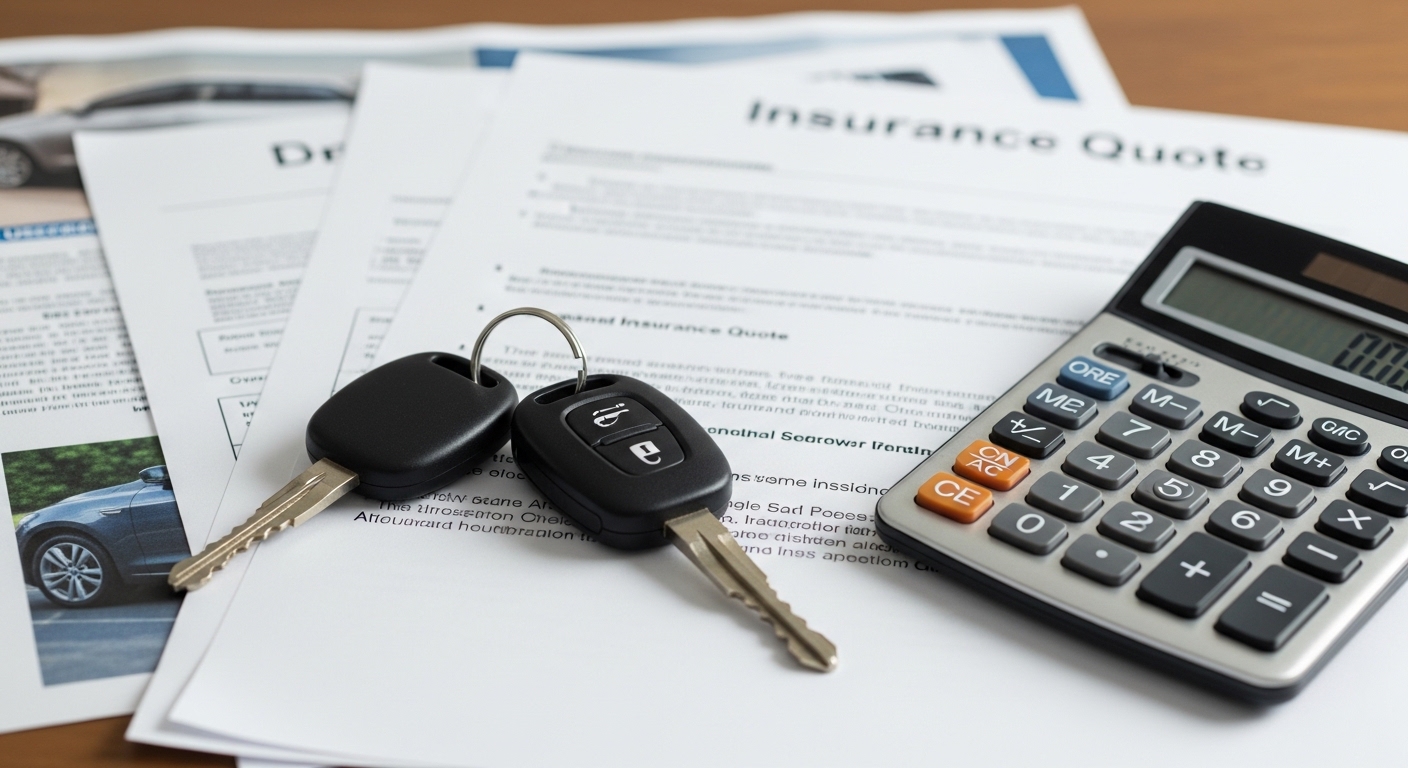
The car you choose affects your insurance quote. For example, a practical sedan may cost less to insure than a luxury SUV. A sports car may cost more because of performance, repair cost, or claim history.
Also, some vehicles are more expensive to repair. Others may have higher theft risk. In addition, some models use costly parts or specialized technology. As a result, the insurance company may see them as more expensive to cover.
This is why buyers should not compare used cars only by sale price. Instead, they should compare the likely monthly ownership cost. That includes insurance, fuel, repairs, tires, and financing.
Repair costs and parts availability matter
A used car with rare parts may cost more after an accident. Also, a luxury badge can increase repair bills. Even a small bumper repair may become costly if sensors, cameras, or special trim pieces are involved.
Parts availability matters too. If parts are hard to find, repairs may take longer. That can increase claim costs. Therefore, insurance quotes may reflect more than the car’s age or mileage.
Before choosing a model, check common repair costs. Then compare insurance quotes for each vehicle. This simple step can prevent a surprise after purchase.
Safety tech can help, but repair complexity matters
Modern safety features can be valuable. For example, blind spot warning, lane keeping assist, and automatic emergency braking can support safer driving. However, these systems can also make repairs more complex.
Cameras, radar units, and sensors may need calibration after certain repairs. Because of that, a newer used vehicle can have higher repair costs than expected. That can affect total ownership cost.
If you are shopping for a late-model vehicle, read How to Buy a Used Car With ADAS Safety Features in 2026. It explains what buyers should check before trusting those systems.
Coverage level matters just as much
The same vehicle can produce very different insurance prices depending on coverage. Minimum coverage usually costs less. However, it also offers less protection. Full coverage usually costs more, but it may protect your own vehicle better.
If you finance a used car, your lender may require comprehensive and collision coverage. That means you may not be able to choose minimum coverage only. Therefore, financing can affect insurance decisions.
This is one reason to review the full budget before buying. A car payment may fit your income. However, the total cost may not fit after insurance is included.
Full coverage vs minimum coverage
Minimum coverage usually focuses on legal requirements. It may help cover damage or injuries you cause to others. However, it may not pay to repair your own car after a crash.
Full coverage usually includes liability, collision, and comprehensive coverage. Collision can help after a crash. Comprehensive can help with theft, storm damage, vandalism, and other non-collision events.
Still, every policy is different. So, buyers should read the details carefully. Also, compare deductibles, limits, and exclusions before choosing the cheapest quote.
How to check insurance before buying a used car
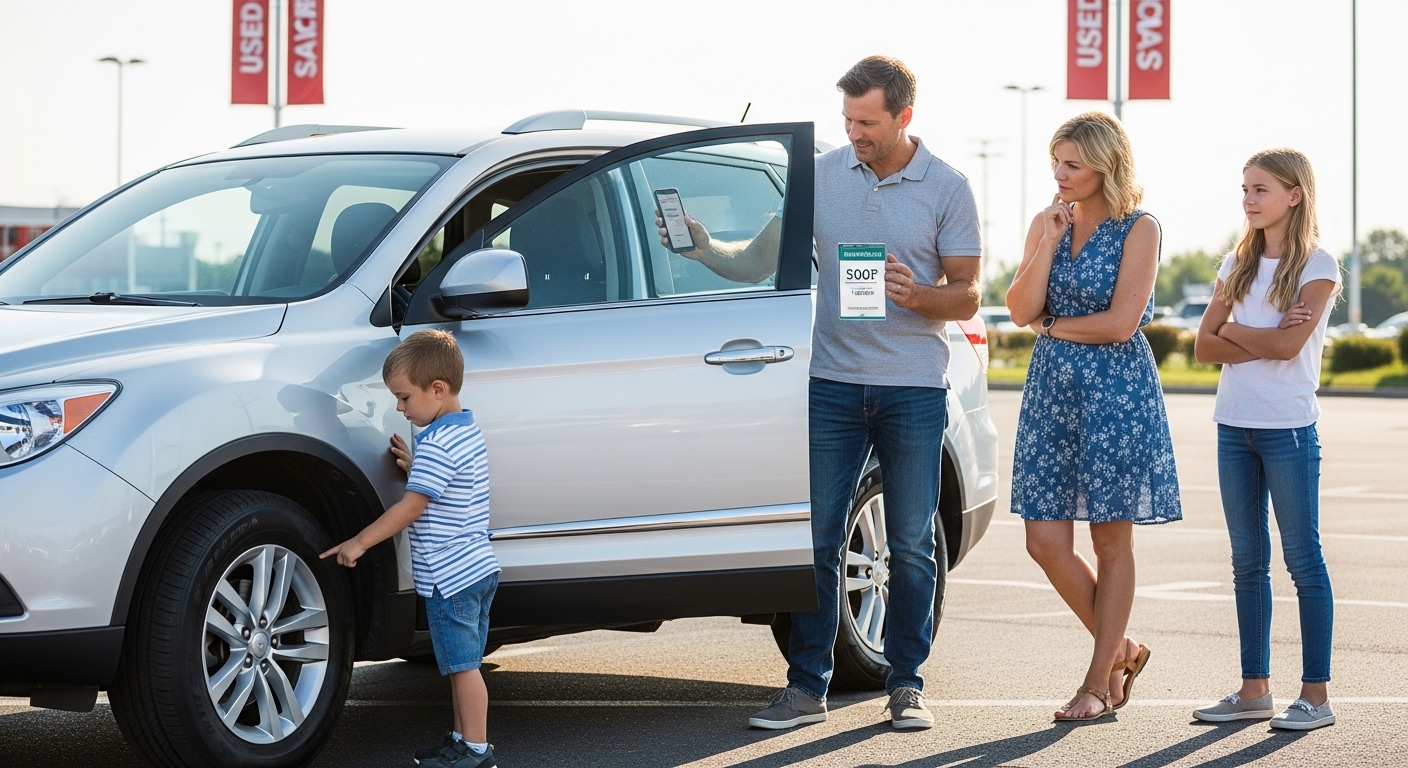
Checking used car insurance costs before purchase is simple. First, choose three to five realistic vehicles. Then collect quotes for each one. Finally, compare the quotes with payment, fuel, and maintenance costs.
You do not need to own the car to request a quote. In many cases, you can use the year, make, model, trim, mileage, and VIN if available. A VIN-based quote can be more accurate because it identifies the exact vehicle.
This process may feel like extra work. However, it can save money every month. It can also help you avoid a car that looks cheap but costs too much to own.
Build a total-cost shortlist
A total-cost shortlist compares vehicles as complete ownership choices. Do not only ask, “Which car is cheaper?” Instead, ask, “Which car stays affordable after I buy it?”
Start with the sale price. Then add estimated loan payment, insurance quote, fuel cost, maintenance risk, and registration. After that, compare the real monthly cost.
For a deeper view, read Used Car Total Ownership Cost in 2026. That guide explains why the cheapest used car is not always the cheapest car to own.
Get quotes before negotiating
Get insurance quotes before you negotiate the final deal. This gives you stronger numbers. Also, it helps you avoid emotional buying decisions.
For example, one vehicle may have a lower price but a higher insurance cost. Another may cost more upfront but insure for less. Over several years, the second vehicle may be the better value.
Also, ask about discounts. Some drivers may qualify for safe-driver discounts, multi-policy discounts, low-mileage discounts, or good-student discounts. However, discount availability varies by insurer.
Financing should also be reviewed with insurance in mind. If your loan is already tight, a high premium can create pressure. For that reason, read Negative Equity Car Loan in 2026 before rolling old debt into a new purchase.
Certified pre-owned vehicles may also be worth comparing. They can cost more upfront. However, they may offer better inspection standards and warranty support. To learn more, visit Why Certified Pre-Owned Cars Are Trending in 2026.
In the end, used car insurance costs should never be an afterthought. They are part of the real cost of ownership. A smart buyer checks quotes early, compares several vehicles, and chooses the car that fits the whole budget.
The best used car is not always the one with the lowest price. It is the one that stays reliable, insurable, and affordable after the excitement of purchase fades.