

Used car financing in Q3 2026 shows why shoppers need to look beyond the price printed on the windshield.
Edmunds reports that buyers financed an average of $30,703 on used vehicles during the third quarter.
The average monthly payment reached $582.
Used-car buyers also financed for an average of 70.4 months while paying an average APR of 10.6%.
Another number stands out even more.
About 6.5% of financed used-car purchases carried monthly payments of $1,000 or more. Edmunds says that is a record share.
Those numbers do not mean every buyer faces a $582 payment or 10.6% rate. Credit score, down payment, vehicle price, lender, loan term, and other factors can change the deal dramatically.
Still, the Q3 data shows how expensive a used-car loan can become when buyers finance large balances for nearly six years.
What the Q3 2026 Used Car Financing Numbers Show
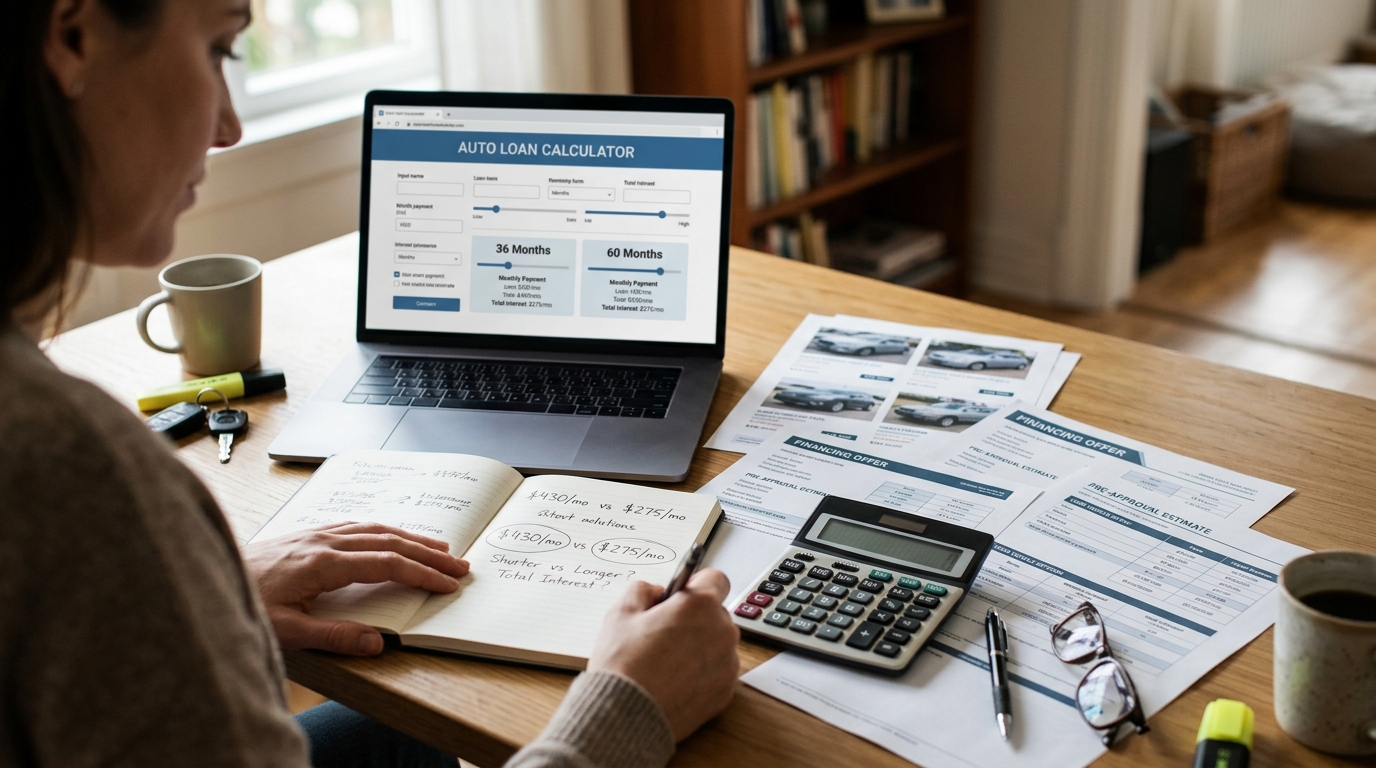
Used vehicles can still cost less than new ones, but financing can narrow the advantage.
Edmunds reports an average used-car loan amount of $30,703 in Q3 2026.
That figure rose from $30,414 in the second quarter and $29,660 during the same quarter of 2025.
The average payment also increased.
Buyers paid $582 per month on average, compared with $576 in Q2 and $566 one year earlier.
Loan terms remained long at 70.4 months.
A $582 Payment Can Hide a Much Larger Commitment
A monthly payment feels easy to understand.
That makes it one of the most powerful numbers in a dealership conversation.
However, a payment does not tell you the complete cost.
A buyer needs to know the selling price, amount financed, APR, loan term, fees, add-ons, and total interest.
Two loans can both cost $582 per month while creating very different financial outcomes.
One buyer may put more money down and finish the loan sooner. Another may finance a larger amount for a longer period.
The Average Used Loan Now Runs Almost Six Years
The Q3 average term reached 70.4 months.
That is only slightly below six years.
A lot can change during that time.
The vehicle will gain mileage. Tires, brakes, suspension components, batteries, and other parts may need replacement.
Warranty coverage may expire long before the final loan payment.
A buyer can therefore reach year five while still making payments on a vehicle that also needs more maintenance.
This does not make every 70-month loan a bad decision.
It does mean buyers need to ask whether the car will remain affordable throughout the loan, not just during the first year.
Our used car financing guide explains why longer terms can make an expensive vehicle look affordable on paper.
The Down Payment Fell While the Amount Financed Rose
Edmunds reports an average Q3 down payment of $3,865 for financed used vehicles.
That amount fell from $4,016 in Q2 and $3,973 in Q3 2025.
At the same time, the average amount financed increased.
That combination matters.
A smaller down payment can help a buyer keep more cash in savings. It can also increase the amount borrowed.
Borrowing more may raise the payment and slow the process of building equity.
Cars usually depreciate over time, especially during the first years of ownership.
If the loan balance falls slowly, a buyer can owe more than the vehicle is worth.
Our negative equity car loan guide explains why that situation can make the next trade-in much harder.
Used Car APR Remains Expensive for Many Borrowers
Edmunds placed the average used-car APR at 10.6% during Q3.
That average changed only slightly from 10.5% in the second quarter.
Experian’s Q2 data produced a similar picture. It reported an average used-car rate of 11.19% across borrowers.
Your individual rate can sit far above or below those numbers.
Credit history plays a major role.
Lenders also consider income, debt, loan amount, vehicle age, term, down payment, and other underwriting factors.
A Small APR Difference Can Cost Thousands Over a Long Loan
Do not dismiss a rate difference because it looks small.
Consider a buyer financing around $30,000.
Over a long term, moving from a lower rate to a rate several percentage points higher can add thousands of dollars to the total repayment.
This is why pre-approval matters.
Ask a bank, credit union, or other lender what rate you qualify for before visiting the dealership.
You do not need to use that loan.
The offer gives you a benchmark.
If dealer financing beats the rate with similar terms, you can consider it. If the dealer offers a much higher rate, you already know another option exists.
Always compare the same term when judging offers.
A lower rate on a much longer loan can still produce a high total cost.
How to Avoid Becoming Part of the $1,000 Used Car Payment Trend
The most eye-catching Q3 statistic is the record share of large payments.
Edmunds says 6.5% of financed used-car purchases had monthly payments of at least $1,000.
That rose from 6.3% in Q2 and 6.1% one year earlier.
A $1,000 payment may fit some household budgets.
For many buyers, though, that number leaves less room for insurance, fuel, maintenance, rent, food, savings, and unexpected repairs.
The goal should not be to buy the most expensive vehicle a lender will approve.
Set the Full Transportation Budget Before Choosing the Car
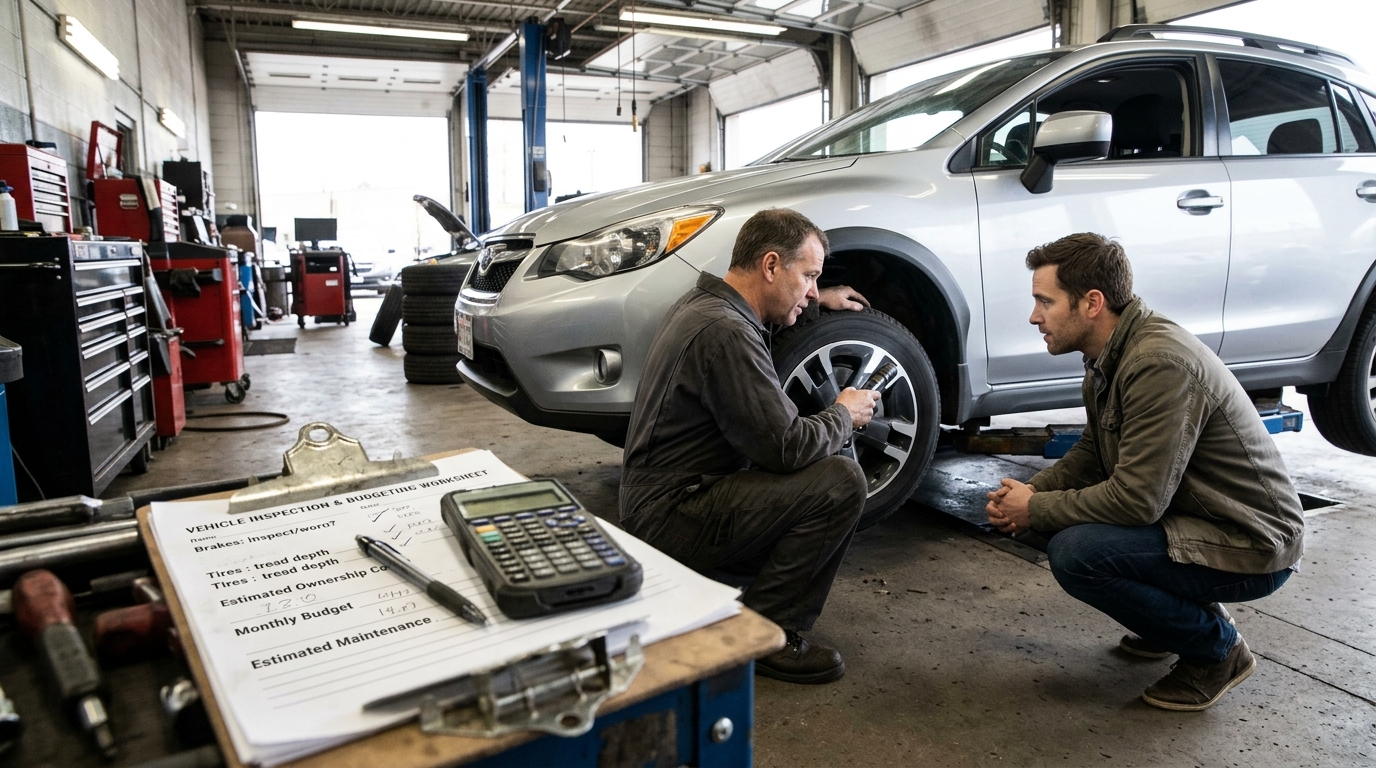
Start with the entire monthly cost.
Add the loan payment, insurance, fuel or charging, maintenance, registration, parking, and an allowance for repairs.
Then compare that total with your household budget.
A $550 car payment may become an $850 transportation expense after insurance and fuel.
Likewise, a $750 payment on a vehicle with high insurance and premium fuel may cost much more than expected.
This is where choosing a slightly less expensive car can create a much healthier budget.
Shop the Loan Before You Shop the Upgrade
Many buyers compare paint colors, trims, wheels, screens, and premium packages before they compare lenders.
Reverse that order.
Know your financing range first.
Once you understand the rate and amount you can comfortably borrow, choose a vehicle within that limit.
Avoid stretching the term simply to move into the next trim level.
Also question every add-on.
Service contracts, protection products, GAP coverage, wheel plans, and other extras can increase the financed balance.
Some may provide value for a specific buyer. None should enter the loan without a clear decision.
Ask for the price of each product separately.
If you finance the add-on, remember that you may also pay interest on it.
Insurance should enter the decision before signing too.
Our used car insurance cost guide explains why two similarly priced vehicles can have very different monthly ownership costs.
Choose the Vehicle Based on Total Ownership Cost
A smart financing plan cannot rescue the wrong vehicle.
Check maintenance history, tire condition, brakes, accident records, title status, recalls, and likely repair costs.
A lower-priced car may need thousands of dollars in work soon after purchase.
A slightly more expensive vehicle with good service records and newer tires may offer better value.
Use our total ownership cost guide to compare those expenses before deciding.
The used car financing Q3 2026 numbers make one lesson very clear.
Pre-owned vehicles may cost less than new cars, but the loan can still become expensive.
Edmunds reports an average financed amount of $30,703, a $582 monthly payment, a 70.4-month term, and a 10.6% APR.
The record 6.5% share of buyers with $1,000-plus used-car payments shows how far some budgets are stretching.
You do not need to follow that trend.
Get pre-approved. Compare APRs. Make a realistic down payment when your finances allow it. Avoid unnecessary add-ons. Pick a vehicle that fits your full budget instead of the maximum amount a lender approves.
Most importantly, compare the loan and the vehicle together.
A good car with a bad loan can still become an expensive mistake.
For the latest Q3 financing data, review the Edmunds Q3 2026 auto financing report.