

A negative equity car loan can quietly turn a car deal into a long-term money problem. It happens when you owe more on your current vehicle than the car is worth. For example, your loan balance may be $22,000, but your trade-in value may only be $17,000. In that case, you are $5,000 underwater.
This issue matters more in 2026 because many drivers are still dealing with high vehicle prices, longer loan terms, and expensive monthly payments. Also, some buyers purchased cars during a high-price market. Now, those vehicles may be worth less than the remaining loan balance.
For used car shoppers, the lesson is simple. Do not only look at the monthly payment. Instead, look at the full deal. A lower payment can feel helpful today. However, it may cost more if old debt gets rolled into the next loan.
This guide explains how negative equity works, why it affects used car buyers, and what steps can help you avoid carrying old debt into your next vehicle.
Why a Negative Equity Car Loan Matters in 2026
A negative equity car loan is not just a financing detail. It can affect your budget, your trade-in options, and your future buying power. Once negative equity is added to a new loan, the next vehicle starts with extra debt attached.
According to Edmunds, negative equity became a serious issue for many trade-in buyers in early 2026. That is why shoppers should understand the numbers before signing anything.
The problem often begins with a simple thought: “I just want a lower monthly payment.” That goal makes sense. However, focusing only on the payment can hide the real price. A dealer may stretch the loan term to reduce the monthly cost. Meanwhile, the total amount financed can become much higher.
What negative equity means
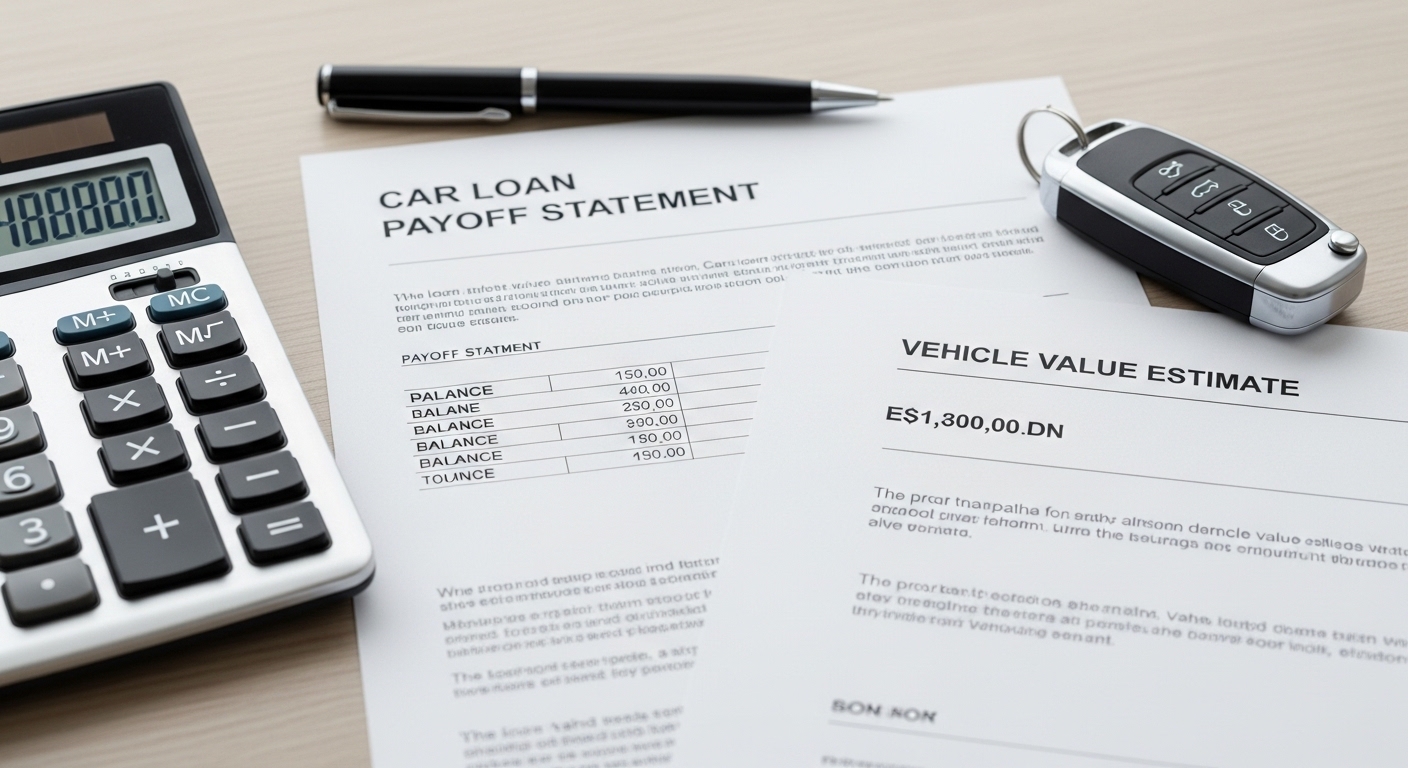
Negative equity means your vehicle loan is higher than your car’s market value. This is also called being underwater on a car loan. It can happen because vehicles depreciate. It can also happen when buyers finance for too long or trade too soon.
For example, imagine you owe $24,000 on your current car. However, the dealer offers $19,000 for your trade-in. The $5,000 difference does not disappear. Instead, it must be paid, covered with cash, or rolled into the next loan.
Rolling it into the next loan may feel easy. However, it increases the amount you borrow. As a result, you may pay interest on the old debt and the new car at the same time.
Long terms can hide the real cost
Long loan terms can make a vehicle seem more affordable. A 72-month or 84-month loan may lower the monthly payment. However, it also slows down how fast you build equity.
That matters because cars usually lose value faster in the early years. Meanwhile, long loans pay down the balance slowly. As a result, the car may lose value faster than the loan balance drops.
This does not mean every long-term loan is bad. Still, buyers need to understand the risk. If you plan to keep the vehicle for many years, the risk may be lower. However, if you like trading often, a long loan can trap you.
Trade-in timing matters
Timing is another important factor. Trading too early can create negative equity, especially if the car was financed with little down payment. Also, higher interest rates can slow progress because more of the early payment goes toward interest.
Before trading, check your payoff amount. Then compare it with a realistic trade-in value. If the payoff is higher, pause before moving forward. Sometimes waiting several months can improve your position.
Also, avoid assuming that a dealership discount fixes everything. A discount may help, but it may not erase thousands of dollars in old debt. Therefore, you need to see the full breakdown.
Why used buyers should care too
Many people think negative equity only matters when buying a new vehicle. However, used car buyers can face the same problem. If old debt gets rolled into a pre-owned vehicle loan, the used car can become expensive fast.
This is why smart used car shopping requires more than checking mileage and condition. Financing also matters. A clean vehicle can still be a poor deal if the loan structure is weak.
For more help with the financing side, read How to Secure the Best Financing for Your Used Car Purchase. That guide pairs well with this topic because the loan terms can change the real cost of ownership.
Also, remember that the purchase price is only one part of the total cost. Insurance, fuel, repairs, tires, registration, and interest all matter. For a wider view, see Used Car Total Ownership Cost in 2026.
How to Avoid Rolling Old Debt Into Your Next Car
Avoiding a negative equity car loan starts before you visit the dealership. First, know your numbers. Then compare your options. Finally, choose the deal that protects your long-term budget, not just the one with the lowest monthly payment.
The safest path is to avoid rolling old debt whenever possible. If you already have negative equity, you still have choices. You may wait, pay down the balance, refinance if it makes sense, or choose a less expensive replacement vehicle.
However, do not rush into another loan just to escape the current one. That can make the problem bigger. Instead, slow down and check the full picture.
Smart steps before you shop

Start with your loan payoff amount. You can usually get this from your lender. Next, check your vehicle’s realistic market value. Use more than one source when possible. Also, be honest about mileage, condition, accident history, and needed repairs.
After that, subtract the vehicle value from the payoff amount. If the result is negative, you are underwater. If the result is positive, you have equity that may help with your next purchase.
Then, decide how much you can afford without stretching too far. Include fuel, insurance, maintenance, and repairs. Also, leave room for emergencies. A car payment should not drain your entire budget.
Compare the payoff and market value
The payoff number is not always the same as the balance shown on your last statement. It may include interest through a specific date. Therefore, request the official payoff amount before making a decision.
Then compare that number to your trade-in offer. If the offer seems low, get another estimate. However, remember that private sale value and trade-in value are not the same. A private sale may bring more money, but it also takes more effort.
If the gap is small, you may be able to pay it off with savings. If the gap is large, waiting may be smarter. Also, making extra principal payments can help reduce the balance faster.
Choose value over monthly payment
A low monthly payment is not always a good deal. Sometimes it only means the loan is longer. Also, a longer loan can increase interest costs and delay equity.
Instead, focus on total amount financed, interest rate, loan term, and total interest. Ask for the numbers in writing. Then compare different loan options before choosing one.
A reliable used car with a fair price can be a better choice than a newer vehicle with a stretched loan. For practical buying tips, visit The Ultimate Guide to Buying a Reliable Pre-Owned Vehicle.
Also, avoid adding every extra product into the loan without thinking. Warranties, service plans, accessories, and protection packages can raise the financed amount. Some may be useful. However, each one should earn its place in your budget.
In the end, avoiding negative equity is about discipline. Buy what fits your real budget. Keep the car long enough to build equity. Maintain it well. Also, avoid trading just because a newer model looks tempting.
A negative equity car loan can make the next vehicle harder to afford. However, buyers can reduce the risk with better planning. Check your payoff. Compare real values. Study the loan terms. Then choose a pre-owned vehicle that gives you dependable transportation without dragging old debt into the future.
Smart car buying is not only about finding the right vehicle. It is also about protecting your money after the sale. That is where confident buyers win.