
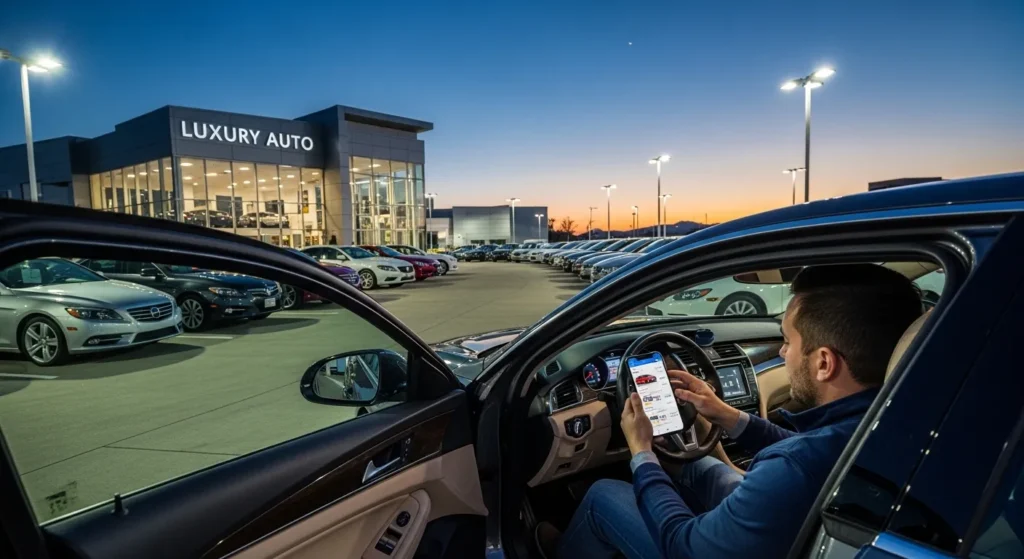
Buying a used car in 2026 is not just about mileage, service history, fuel economy, and whether the transmission feels smooth on a test drive. More late-model vehicles now come with apps, connected services, remote-access tools, subscription-based features, and built-in digital systems that can change how the car works after you buy it. That is exactly why used cars with connected services deserve more attention from buyers this year.
A few years ago, most drivers thought of tech as a bonus. Maybe the car had Apple CarPlay, a backup camera, or a nicer screen. Now the situation is different. Some vehicles rely on connected services for remote start, location tracking, maintenance alerts, navigation extras, emergency communication features, digital key access, or other convenience tools. In some cases, those services are included only for a trial period. After that, the next owner may have to pay, reactivate an account, or discover that a feature they assumed was “part of the car” is no longer fully available.
That does not make connected vehicles bad buys. Not even close. A smart, well-supported used car can still be an excellent value. But buyers need to stop assuming every digital feature transfers automatically and works forever at no cost. If you are already reading Presta Cars’ advice on used car ADAS features in 2026, this is the next layer of the same idea. Modern used-car buying is no longer only mechanical. It is digital too.
Why This Matters More in 2026
The reason this issue matters now is simple: more used cars on the market were built during the rapid expansion of connected-car features. That means shoppers are now looking at pre-owned vehicles that may have companion apps, remote services, data-sharing settings, and software-linked subscriptions already baked into the ownership experience.
For buyers, that creates both opportunity and risk. The opportunity is obvious. You may get a newer-feeling vehicle with more convenience and safety features without paying a new-car price. The risk is that you might not fully understand which features stay free, which ones expire, which ones need a new registration process, and which ones may collect or share data in ways you never thought to ask about.
This connects naturally with Top Automotive Tech Trends at CES 2026, because the vehicles entering the used market are now being shaped by the same software-driven trends that dominate new-car headlines.
What Counts as Connected Services in a Used Car?
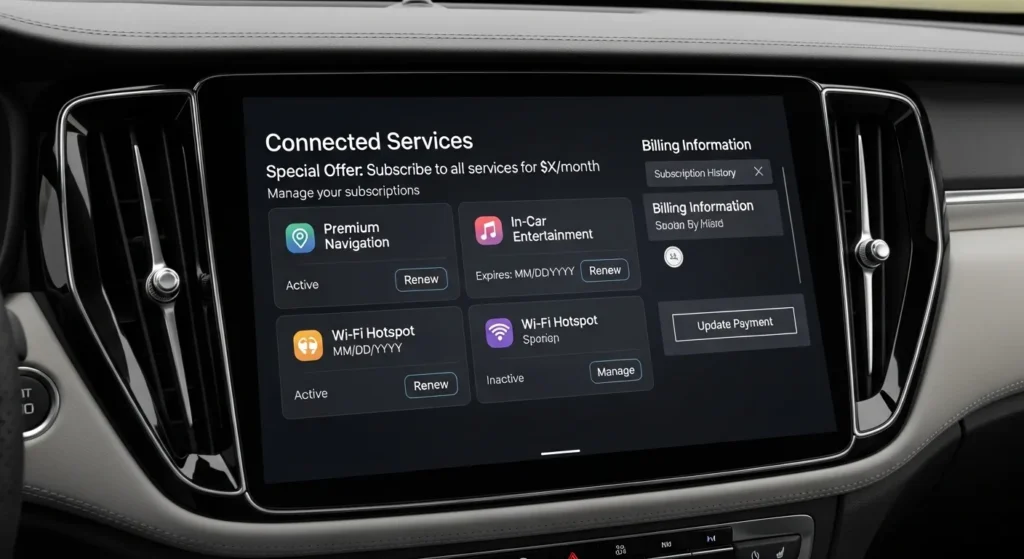
When we talk about used cars with connected services, we are talking about more than just Bluetooth. Connected services can include:
- Remote start or remote lock and unlock through a phone app
- Vehicle location and finder tools
- Maintenance alerts and vehicle health reports
- Emergency assistance or crash-response features
- Navigation services with live traffic or route updates
- Digital key access
- Driver profiles and cloud-based settings
- Usage-based insurance or driver-behavior tools
Not every used car has all of these. Not every brand handles them the same way. Some manufacturers make the handoff to a new owner simple. Others require new account setup, subscription activation, or dealer assistance. That is why you should not treat connected features like a simple box on a sales sheet.
The Big Problem: Buyers Assume the Feature Is Permanent
This is where many shoppers get blindsided. They test a car, see remote start in the app menu, notice a connected-services badge in the infotainment system, or hear that the vehicle includes navigation and alerts. Then they assume those features are permanently included because the hardware is already in the car.
That is not always how it works.
Some features are hardware-based and stay with the vehicle. Others rely on software access, account ownership, cloud support, cellular connectivity, or a paid plan after a trial period expires. A used car can look well-equipped and still surprise the buyer later with ongoing costs or inactive tools.
That is why this topic should also point readers to The Ultimate Guide to Buying a Reliable Pre-Owned Vehicle. The old used-car checklist still matters, but 2026 buyers need a digital checklist too.
What Buyers Should Ask Before Purchase
If a used car has connected features, do not stop at “Does it have remote start?” Ask better questions:
- Which connected features are still active right now?
- Which ones are free, and which require a subscription?
- Has the original owner already used the included trial period?
- Will the next owner need to create a new account to access features?
- Does the app-based access transfer smoothly after sale?
- What happens if the connected service is not renewed?
- Are there any known issues with the app or software support?
You should also ask the seller or dealer to demonstrate the connected functions if they are part of the value proposition. If the car is being marketed as “fully loaded” because of app access, digital convenience, or remote controls, those features should be verified before money changes hands.
Why Late-Model Used Cars Can Be More Complicated Than Older Cars
An older used car may have fewer digital conveniences, but it is often more straightforward. What you see is what you get. With newer used cars, the experience can depend partly on software support and service activation, not just physical condition.
That does not mean simpler is always better. A newer car with connected services may still be the smarter buy if you value modern safety, convenience, and smoother ownership tools. But the decision should be informed. A pre-owned vehicle with advanced digital features should be evaluated as a system, not just a machine.
This is especially true for buyers already looking at newer hybrids, EVs, or ADAS-equipped vehicles. Presta Cars’ articles on used hybrids in 2026 and pre-owned EV battery health fit naturally here because those vehicles often come with even more software-linked ownership features.
Data Privacy Is Part of Used-Car Buying Now
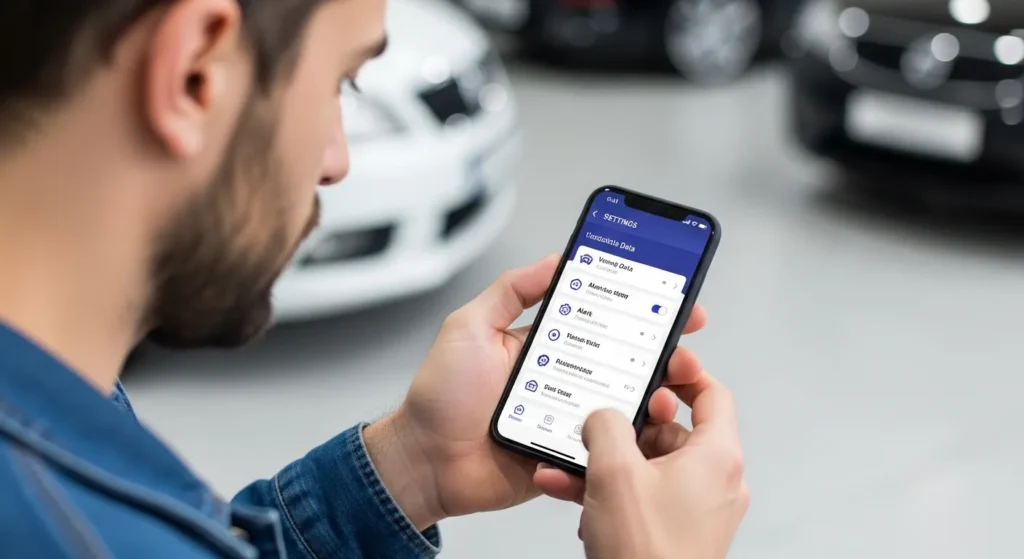
Here is the part many buyers still overlook: connected services are not only about convenience. They are also about data. A vehicle with app-based tools, remote tracking, driver monitoring, or cloud-connected services may collect information about location, driving behavior, or account use.
That does not automatically mean something shady is happening. But it does mean buyers should know what they are signing up for. In 2026, privacy and data control are no longer niche topics for tech forums. They are part of real-world ownership decisions.
If a used car still has connected services enabled, make sure the old owner’s account has been removed and the vehicle is ready for a proper account transfer. You do not want to buy a car and discover someone else still has visibility into its location or app controls.
For an external reference, the FTC’s action involving GM and OnStar connected vehicle data is a strong reminder that connected-car privacy is not theoretical.
Should Subscription Costs Affect Your Budget?
Yes. If the car you are considering depends on paid connected features for convenience you actually want, then those costs belong in the ownership budget just like insurance, fuel, and maintenance.
This is where buyers can fool themselves. They negotiate well on the purchase price, then slowly add digital costs after the sale without thinking of them as part of the real total. If you are budgeting carefully, the smarter move is to treat connected-service costs as part of the ownership equation from day one.
That is why this article should also link to How to Secure the Best Financing for Your Used Car Purchase. Good financing can be undermined quickly if the car comes with extra ongoing costs you never planned for.
When Certified Pre-Owned Can Help
This is one area where a certified pre-owned vehicle may offer an advantage. A good CPO car often comes with better documentation, newer model years, and a cleaner ownership trail. That does not guarantee perfect connected-service support, but it may reduce uncertainty because you are usually dealing with newer vehicles and stronger dealer processes.
If the car’s digital features matter to you, CPO status can make the handoff feel more controlled and less like guesswork. That is one reason this topic connects naturally with Why Choose a Certified Pre-Owned Vehicle?
Common Mistakes Buyers Make
- Assuming app features stay active forever
- Not asking whether the free trial already expired
- Ignoring data privacy and account-transfer issues
- Confusing hardware features with paid connected services
- Buying on monthly payment alone without factoring in digital extras
- Skipping a live demonstration of the tech before purchase
None of these mistakes are dramatic. That is why they are so easy to make.
Final Thoughts
Used cars with connected services can be excellent buys in 2026. They can give you modern convenience, better ownership tools, and a more up-to-date driving experience without the cost of buying new. But they also change the buying checklist. You are not just evaluating the engine, tires, and service records anymore. You are also evaluating software access, subscription reality, privacy settings, and what happens when the trial period runs out.
The smartest used-car buyers now ask one extra question before signing: which digital features actually belong to me after the sale, and which ones come with strings attached?
Ask that early, and you will make a better decision.