
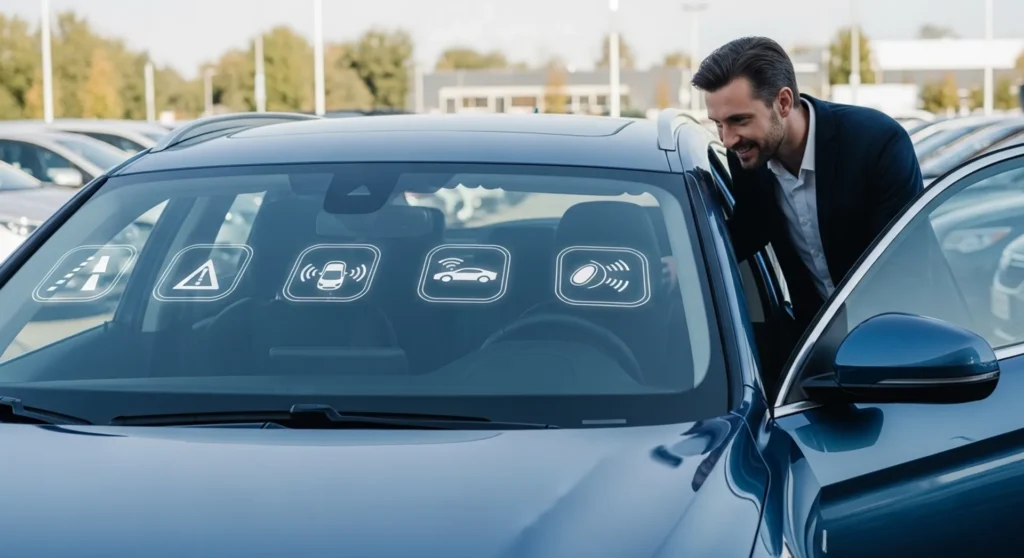
Buying a used car in 2026 is no longer just about mileage, service history, and whether the engine sounds healthy. More late-model vehicles now come with advanced driver assistance systems, often called ADAS, and that changes the buying process in a very real way. If you are shopping for a newer pre-owned vehicle, understanding used car ADAS features can help you avoid expensive surprises and make a smarter decision.
Many buyers like the idea of getting modern safety technology without paying new-car prices. That makes sense. Features like blind spot warning, lane keeping assist, forward collision warning, adaptive cruise control, rear cross-traffic alert, and automatic emergency braking can make daily driving more convenient and safer. But used-car shoppers often overlook one hard truth: those systems depend on cameras, radar units, sensors, software, and proper calibration. If something is off, the feature may not work the way you think it does.
That is why ADAS matters so much now. NHTSA’s updated safety roadmap adds more ADAS technologies to its evaluation program for the 2026 model year, which shows how mainstream these features have become. This is no longer niche technology found only in luxury cars. It is becoming part of the normal used-car market. At the same time, IIHS has warned that crash-avoidance features can complicate repairs because sensors and cameras often need calibration after certain repairs, especially windshield work or body repairs near the sensing area. In plain English, buyers need to ask better questions before signing anything.
What Counts as ADAS in a Used Car?
ADAS stands for advanced driver assistance systems. In simple terms, these are safety and convenience features that use sensors, cameras, radar, or software to help the driver avoid danger or reduce workload. Some of the most common examples include:
- Automatic emergency braking
- Forward collision warning
- Blind spot warning
- Blind spot intervention
- Lane departure warning
- Lane keeping assist
- Adaptive cruise control
- Rear cross-traffic alert
- Parking sensors or surround-view systems
Not every used car has all of these, and not every system works the same way across brands. Some systems are excellent. Some are just decent. Some are intrusive, confusing, or heavily dependent on proper repair and calibration history. That is why the presence of ADAS should never be treated like a simple box to check.
Why ADAS Is a Bigger Deal in 2026
The reason this topic matters more now is simple: more used cars on the market have driver-assistance systems, and buyers are more likely to expect them. NHTSA’s updated New Car Assessment Program roadmap adds blind spot warning, blind spot intervention, lane keeping assist, and pedestrian automatic emergency braking to its ADAS framework beginning with the 2026 model year. That tells you where the market is going. Safety tech is becoming more common, more visible, and more important to shoppers.
For used buyers, that creates both an opportunity and a risk. The opportunity is obvious: you can get a lot more safety tech on a pre-owned vehicle than you could just a few years ago. The risk is that many buyers still evaluate these features too casually. They see a dashboard icon or a button on the steering wheel and assume everything is fine. That is not a safe assumption.
The Hidden Problem: Repairs and Recalibration
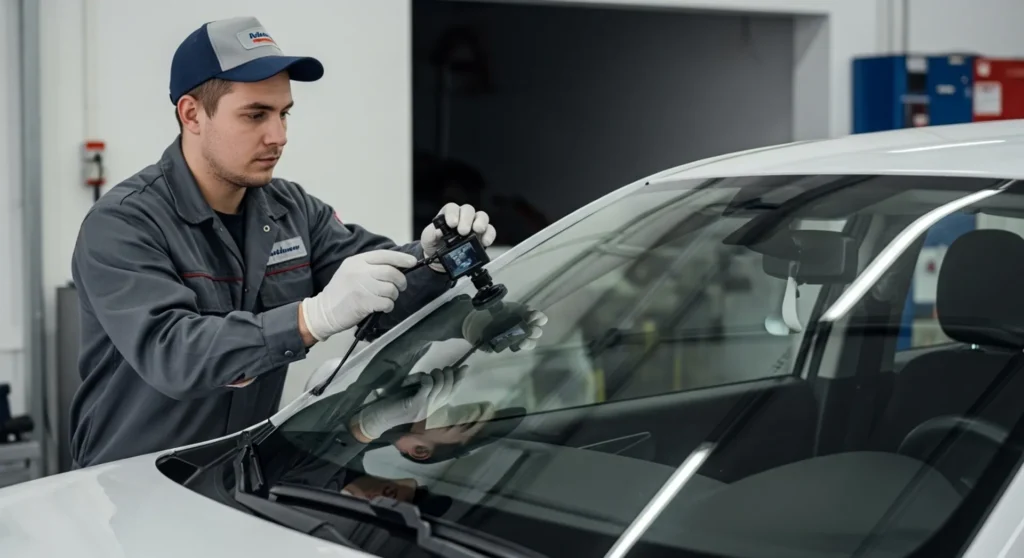
This is where many used-car shoppers get blindsided. IIHS has pointed out that crash-avoidance systems often require calibration after repairs, and windshield replacement is one of the most common examples. Cameras mounted near the windshield, radar units behind bumpers, and other sensors can be sensitive to even small changes in position. If the vehicle was repaired after a collision or even after a major glass replacement, calibration may have been necessary.
That does not mean every repaired vehicle is a bad buy. Not at all. But it does mean you should ask whether the work was done properly and whether the ADAS systems were checked or recalibrated when needed. A used car can look clean and still have safety systems that are not operating as intended.
This is one reason a clean exterior is not enough. A pre-owned car with modern safety tech should be evaluated more like a system, not just a machine. Buyers need to think about software, sensors, service records, and repair quality in addition to engine, transmission, and tires.
What Buyers Should Check Before Purchase
If a used car has ADAS, you should ask smarter questions than “Does it have blind spot monitoring?” Start with these:
- Has the car been in any reported accidents or had bodywork?
- Has the windshield ever been replaced?
- Were any sensors, cameras, bumpers, or mirrors replaced?
- Is there any documentation showing calibration or post-repair scanning?
- Are there warning lights or stored fault codes related to safety systems?
- Do all safety features turn on and behave normally during a test drive?
You should also pay attention to fit and finish. Uneven panel gaps, bumper repairs, poor windshield installation, or odd warning messages may be signs that something happened to the vehicle. ADAS systems do not live in isolation. They are tied closely to the structure and repair condition of the car.
If you are already following Presta Cars’ advice in The Ultimate Guide to Buying a Reliable Pre-Owned Vehicle, this is the next layer of diligence. Modern used-car buying is no longer just mechanical. It is electronic too.
Why Certified Pre-Owned Can Help
This is one area where certified pre-owned vehicles may offer a real advantage. A proper CPO vehicle is usually subject to stricter inspection and reconditioning standards than an ordinary used car. That does not automatically guarantee perfect ADAS performance, but it often means there is a better paper trail, better inspection quality, and less guesswork.
That is why this topic connects naturally with Why Choose a Certified Pre-Owned Vehicle?. If you are buying a newer used car with a lot of safety tech, CPO status can reduce some uncertainty. It is not magic, but it can improve your odds of getting a properly inspected vehicle.
Test Drive the Safety Features Carefully
A test drive matters even more when ADAS is involved. You are not just listening for suspension noise or checking brake feel. You are also watching for how the driver-assistance systems behave. Do warning lights stay off? Does the lane system feel normal? Does adaptive cruise engage properly? Does the blind spot system react at the right time?
You do not need to force risky situations to test a car. Use common sense. But you should pay attention to whether the systems appear stable, predictable, and consistent. Strange warnings, random alerts, or features that do not activate when expected may point to a problem.
And remember: not all weird behavior means the vehicle is damaged. Sometimes the issue is a dirty sensor, an incorrect setting, or a minor software problem. But it is still something that should be checked before purchase, not after.
Maintenance Still Matters After You Buy
Once you own the car, ADAS does not become a “set it and forget it” feature. Basic upkeep still matters. A cracked windshield, damaged bumper, poor alignment, dirty sensors, and cheap repair shortcuts can all affect how these systems work. That is why this topic ties in well with Essential Maintenance Tips for Your Used Car. Modern maintenance is no longer just oil changes and tire pressure. On newer vehicles, it also means protecting the systems that help protect you.
This matters even more for buyers considering EVs or hybrids, where the vehicle may already have more integrated electronics and software-heavy features. If that is your lane, Presta Cars’ piece on Pre-Owned Electric Vehicle Battery Health is a smart companion read.
Should ADAS Change Which Used Car You Buy?
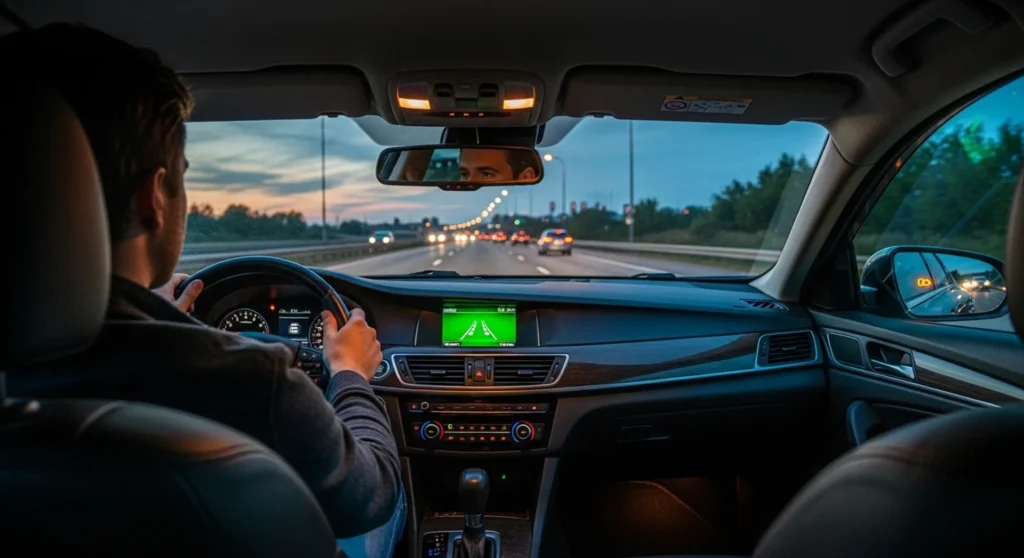
Yes, but not in a simplistic way. You should not reject every used car with advanced safety features just because calibration exists. That would be silly. The smarter move is to recognize that ADAS changes the checklist. A used car with modern safety systems can be an excellent buy if the vehicle has been well maintained, properly repaired, and carefully inspected.
What you should avoid is guessing. Do not assume the system is fine because there is no warning light. Do not assume the seller understands what was repaired. Do not assume every repair shop handled calibration correctly. Ask direct questions, request records, get an independent inspection when needed, and take safety tech as seriously as the engine and gearbox.
Final Thoughts
Used car ADAS features are a major part of smart car buying in 2026. More pre-owned vehicles now come with driver-assistance technology, and that can be a real benefit for buyers who want extra safety and convenience without paying full new-car prices. But these systems also add complexity. Repairs, windshield replacement, bodywork, and missing calibration history can all turn a “great deal” into an expensive or risky mistake.
The good news is that this problem is manageable if you know what to look for. Ask better questions, review repair history, test the features carefully, and do not skip inspection just because the car looks clean. A used car with ADAS can be a smart buy. You just have to evaluate it like a 2026 vehicle, not like a 2012 one.
For official background, you can review the NHTSA ADAS roadmap and the IIHS article on how crash-avoidance features can complicate repairs.