
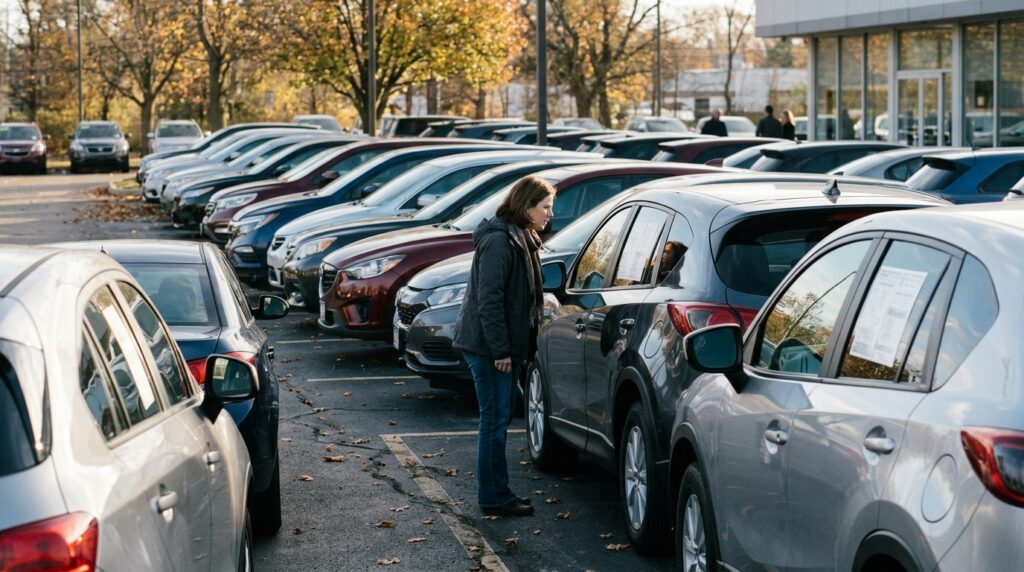
The best time to buy a used car in 2026 may depend on more than which month has the biggest sales banners. Seasonal demand, available inventory, financing rates, trade-in values, and the condition of the actual vehicle all influence whether a deal is good. November offers a promising opportunity, but it cannot guarantee the lowest price on every model.
In a July 2026 analysis, Edmunds identified October and November as historically favorable used-car buying months based on its sales data. The publication specifically pointed to November and the Black Friday shopping period as potential opportunities. That evidence supports a shopping strategy, not a prediction that every dealer will run a special offer.
If you are considering buying before the end of 2026, use November to gather real quotes, compare several suitable cars, and negotiate calmly. A carefully chosen used car at a fair price can beat an aggressive promotion attached to a vehicle with hidden problems or an expensive loan.
Why November Can Be a Favorable Used-Car Buying Window
Used-car demand and dealer inventory do not stay identical throughout the year. New-model arrivals, trade-ins, off-lease vehicles, holiday buying patterns, and local market conditions create changes in what dealers want to sell. Seasonal patterns can make some retailers more flexible about older stock or vehicles that have been listed for weeks.
Edmunds’ 2026 seasonal guide places October and November ahead of many other periods for used-car discounts. However, national averages are only a starting point. A popular compact hybrid may have few local alternatives, while a less-demanded sedan or crossover could offer more negotiating room.
What the 2026 Research Actually Says About Timing

Edmunds’ data shows a historical pattern rather than a universal rule. According to its July update, October and November often bring more favorable opportunities than early-year periods. The publication also notes that an increasing number of lease returns may help add late-model used vehicles to the market, including in 2027.
A car’s pricing history matters more than the calendar alone. Check whether a seller has reduced its asking price, how long the vehicle has been listed, and whether comparable examples nearby offer better mileage or equipment. If a dealership has several nearly identical vehicles, you may have more leverage than when only one is available.
October and November: A Pattern, Not a Promise
There is no requirement for a dealership to lower prices in November. A desirable, well-maintained model may sell quickly regardless of the season. A national price trend also does not account for differences in local taxes, insurance, weather, and demand.
Our September 2026 used-car market update explains that wholesale prices softened during that month. Wholesale data can provide useful context, but a decrease in auction prices does not automatically translate into an identical discount on retail listings.
What to Expect From Black Friday Used-Car Promotions
Black Friday advertisements may highlight reductions, financing offers, or bundled extras. Treat every promotion as an invitation to compare a full written offer, not as proof of savings. A discount based on an inflated initial asking price may be less impressive than a consistently fair price from another seller.
Ask for the VIN, exact year and trim, advertised selling price, additional required charges, and whether the promoted car is available. Also ask which discounts depend on credit approval, preferred financing, trade-in value, or other eligibility. Do not assume a promotional rate applies to every used vehicle or borrower.
Which Used Cars Might Offer Better Value in November?
There is no single universally best used car. A smaller sedan may be ideal for commuting, while a family needs a safe, roomy crossover. Consider the role the vehicle will play, how many miles you drive, the cost of insurance, and how often expensive maintenance may arise.
Compare at least three realistic alternatives. For example, someone searching for a compact SUV might also price efficient sedans if cargo space is not essential. Buyers exploring used hybrids should factor in fuel savings, battery condition, repair access, and local availability rather than relying on the model’s popularity.
Inventory, Service History, and Condition Beat a Big Discount
Two cars with similar asking prices can carry very different costs. One may need four tires, brake repairs, or overdue maintenance immediately. Another might have documented service history, good tires, and fewer warning signs. Paying slightly more upfront can be reasonable when the total ownership cost is lower.
For protection against incomplete history, read our used-car title washing and VIN fraud guide. Check title records and ownership details, but remember that history reports cannot replace an independent mechanical inspection. The FTC’s dealer-buying advice recommends arranging a qualified outside inspection even for cars presented as certified.
A Step-by-Step Plan for Buying a Used Car in November 2026
Start with a total budget rather than the maximum monthly payment you think you can afford. Add taxes, registration, dealer fees, insurance, fuel, parking, and likely maintenance. Set aside money for unexpected repairs. Then decide what price range leaves enough room for those ongoing costs.
Next, shortlist several models and save comparable listings. Match year, trim, mileage, condition, accident history, and equipment. Take screenshots so you can identify price changes during November. Use genuine local examples for negotiations instead of relying on national averages alone.
Compare Financing, Quotes, and Inspections Before You Commit

Get loan estimates from a bank or credit union if you plan to finance. Preapproval is useful because it provides a baseline APR and loan length for comparison. Dealer financing may be competitive too, but only when you compare like-for-like terms and the total amount you will repay.
Our Q3 2026 used-car financing article discusses how long loan terms and elevated payments can change affordability. A lower monthly payment may simply mean more months of interest. The CFPB’s negotiation guidance explains why APR, loan term, trade-in values, and optional products should be considered together.
Before driving to a dealership, ask for the written out-the-door price for the exact VIN. Compare all required dealer fees, estimated government charges, and optional add-ons separately. The FTC’s September 2026 auto pricing FAQs clarify its longstanding view that the advertised price should reflect mandatory dealer charges, apart from government-required amounts.
At the inspection stage, check tires, brakes, fluid leaks, unusual noises, warning lights, and all important features. Verify recalls using the official NHTSA recall lookup. If the vehicle has accident history, ask what repairs were performed and whether records are available. An independent mechanic’s report gives you another basis for deciding whether to buy or negotiate.
Know When a November Deal Is Worth Walking Away From
Walk away if the seller refuses to clarify a changed price, pressures you to sign before reviewing paperwork, will not let you arrange a reasonable inspection, or cannot explain title inconsistencies. No holiday promotion justifies ignoring those concerns.
Pay attention to extra products. GAP coverage, service contracts, protection plans, and accessories are not automatically necessary for every buyer. Request their individual prices and determine whether they duplicate existing coverage. If they enter the financed amount, you may also pay interest on them.
Before the final signature, compare the sales contract with the written quote and confirm the vehicle VIN. Read warranty language, payment due dates, APR, loan term, optional charges, and any return-policy terms. Federal law generally does not provide an automatic three-day right to cancel a vehicle purchase at a dealership, so verify any specific protection before signing.
Shopping later in the year can offer opportunities, but waiting endlessly for the absolute lowest price has its own cost. If you need dependable transportation immediately, a suitable vehicle at a realistic price can be more valuable than an uncertain discount months away. If your current car is safe and affordable, you have more freedom to compare listings and negotiate.
Bottom line: The best time to buy a used car in 2026 may include November, but the strongest deal is the one that passes your checks for price, financing, condition, and ownership cost. Use seasonal trends to plan your search, not to rush your decision. A good November purchase should still look like a good purchase when the holiday promotions are over.
Editorial note: Seasonal findings describe historical market patterns, not guaranteed November 2026 discounts. Availability and financing terms depend on your location and circumstances.