
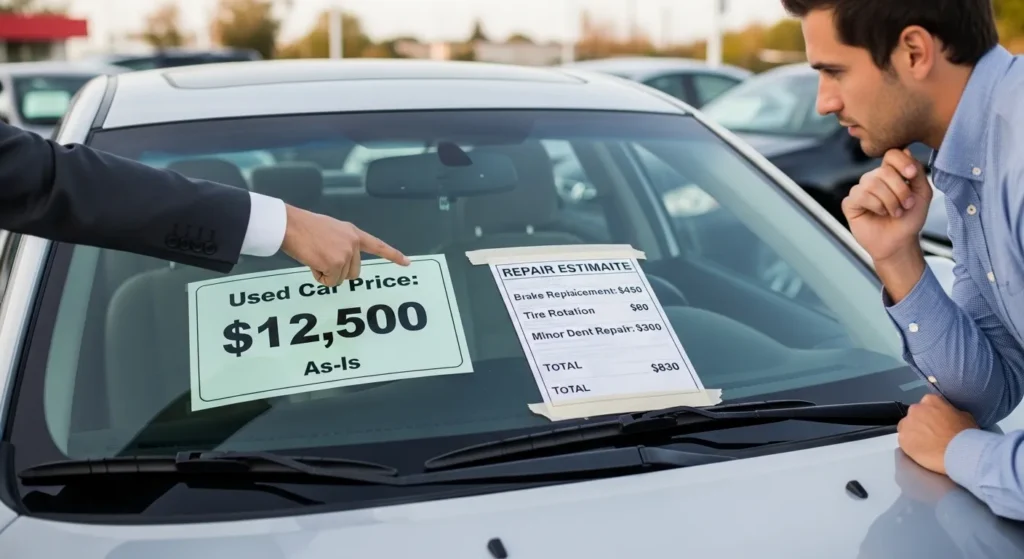
If you are shopping for a vehicle this year, one lesson matters more than ever: the cheapest used car is not always the cheapest car to own. That is exactly why used car total ownership cost in 2026 deserves more attention. A low sticker price can look like a win at first. However, the real cost of ownership includes fuel, insurance, repairs, maintenance, financing, tires, registration, and even digital features that may stop working unless you pay for them later.
Many buyers still walk onto a lot or scroll through listings with one main question: “What is the price?” That question still matters, but it is not enough anymore. In 2026, smarter buyers are asking a harder one: “What will this vehicle really cost me over the next two to five years?” That shift matters because newer used vehicles often bring more safety tech, more convenience, and better efficiency. At the same time, they can also bring pricier repairs, calibration requirements, and hidden ownership costs that older buying guides barely mentioned.
This topic fits naturally with recent Prestacars content on used car market pressures in 2026, fuel-efficient used cars, and connected services in used cars. It also gives you a stronger “money-smart buyer” angle that ties together price, repairs, and long-term value.
Why Total Ownership Cost Is the Real Used-Car Trend in 2026
Used-car shoppers are getting more practical. They still want a good deal, but they are also more cautious about what happens after the purchase. That is why total ownership cost has become such a strong decision-making factor. Buyers are no longer comparing vehicles only by mileage, trim level, or badge. They are comparing fuel bills, likely repair risk, insurance, and whether modern tech will make ownership easier or more expensive.
Sticker Price Is No Longer Enough
A used vehicle with a lower asking price can still turn into the more expensive choice. For example, a cheaper SUV with poor fuel economy, higher tire costs, and questionable service history may cost more over two years than a slightly pricier sedan or hybrid with better maintenance records and lower day-to-day expenses. That is why serious buyers now need to weigh running costs alongside purchase price.
Higher Repair Costs Are Changing What “Value” Means
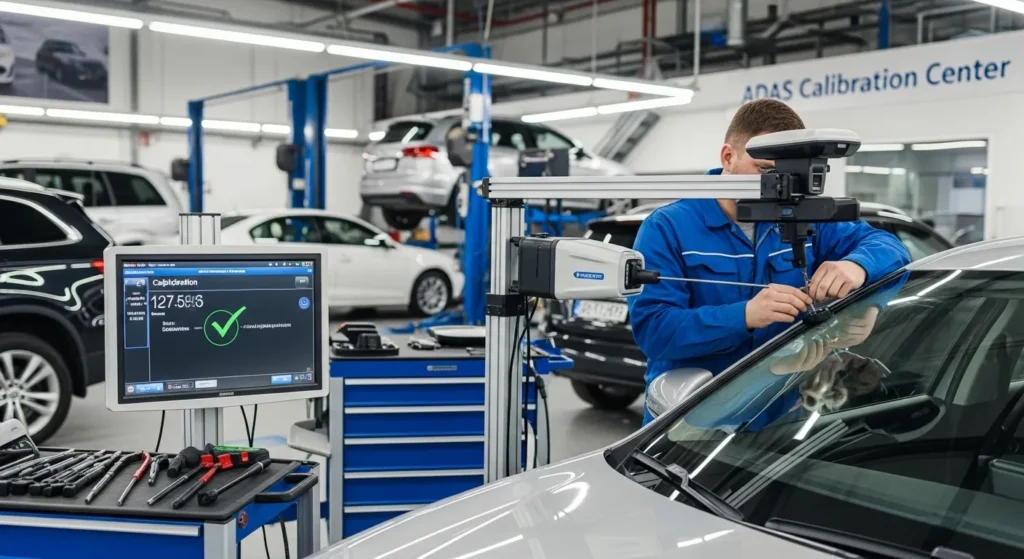
Late-model used cars often look attractive because they offer modern safety and convenience features without new-car pricing. That sounds great, and sometimes it is. However, those same vehicles may also carry more expensive repair risk. Cameras, radar units, sensors, and calibration work can make a “small” repair much more costly than buyers expect. If a windshield was replaced, a bumper was repaired, or a side mirror was changed, the safety systems may also have needed recalibration.
That does not mean you should avoid newer used cars. It means you should evaluate them more carefully. If you are considering a vehicle with blind-spot monitoring, lane-keeping assist, adaptive cruise control, or automatic emergency braking, read How to Buy a Used Car With ADAS Safety Features in 2026. That post pairs perfectly with this one because ownership cost is not only about what breaks. It is also about what costs more to inspect, maintain, and repair correctly.
Connected Services and Subscriptions Can Quietly Add Cost
Another trap is assuming every digital feature stays active forever. More used vehicles now come with app access, remote functions, cloud-based services, and subscription-linked tools. Some of those features transfer cleanly to the next owner. Others expire, require activation, or become paid add-ons after a trial period. So, a car that feels “fully loaded” during the test drive may later surprise the buyer with ongoing costs or missing functions.
That is why this topic also connects naturally to Used Cars With Connected Services in 2026. Modern used-car buying is no longer only mechanical. It is digital too. When you calculate used car total ownership cost in 2026, you need to think beyond oil changes and brake pads.
Why Some Used Vehicles Still Win on Value
The good news is that many used vehicles still offer excellent ownership value. The key is choosing models that match your real needs instead of chasing the lowest upfront number or the flashiest features. In many cases, efficient gas sedans, well-kept hybrids, and carefully selected certified pre-owned vehicles strike the best balance between affordability, reliability, and long-term comfort.
Efficient Hybrids, Proven Gas Cars, and CPO Models Still Make Sense
If you drive a lot, fuel economy matters fast. That is why efficient used cars are getting so much attention now. A practical commuter car or hybrid may save enough on fuel to justify a slightly higher purchase price. Prestacars already covers this well in Why Fuel-Efficient Used Cars Are Surging in 2026 and Why Used Hybrids Are Booming in 2026. Those articles are useful companion reads because efficiency is one of the easiest ownership costs to understand and compare.
At the same time, not every buyer needs a hybrid or EV. A simple, well-maintained gas sedan with strong reliability and common parts can still be the smarter choice. And for buyers who want more peace of mind, a late-model certified pre-owned vehicle can reduce uncertainty. CPO is not magic, but it can improve inspection quality, warranty coverage, and documentation, which all matter when long-term cost is the real concern.
How to Shop for a Used Car That Stays Affordable After You Buy It
The strongest buyers in this market are not the fastest ones. They are the ones with a process. If you want to avoid a “cheap” used car that drains your wallet later, you need to compare vehicles as ownership packages, not just as listings. That means looking at what the car costs to run, insure, maintain, and finance, not just what it costs to take home.
Start With a Total-Cost Shortlist
First, build a shortlist of vehicles that actually suit your life. A commuter may care most about fuel economy, insurance, and reliability. A family may care more about safety features, rear-seat space, and tire costs. A first-time buyer may need the simplest possible maintenance picture. Once you know the job the vehicle needs to do, compare three to five realistic options instead of fixating on one specific car.
Then start asking better questions. Does the model have a strong reputation for reliability? Are parts easy to find? Does it wear expensive tires? Is the insurance likely to be reasonable? Has the car already gone through repairs that may affect sensors or electronic systems? Is there a full service history, or are you guessing?
Compare Financing, Maintenance, and Inspection Together

A car payment alone does not tell you whether the purchase is smart. Financing terms, interest rate, down payment, and loan length all shape the real cost. Sometimes a vehicle with a slightly higher sale price becomes the better choice because it is cleaner, easier to insure, and less likely to need immediate repairs. That is why you should review How to Secure the Best Financing for Your Used Car Purchase before you commit.
You should also combine financing research with a proper inspection strategy. Prestacars’ Ultimate Guide to Buying a Reliable Pre-Owned Vehicle is a strong internal link here because it reinforces the fundamentals: history reports, service records, inspection discipline, and patience. Those basics still matter in 2026. In fact, they matter more because the gap between a smart used-car deal and an expensive mistake can be wider than it looks.
If you are considering an EV, battery condition also belongs in the ownership-cost conversation. A lower-priced electric car is not automatically a bargain if battery health is poor or charging does not fit your life. That is why Pre-Owned Electric Vehicle Battery Health: What Buyers Must Know in 2026 is another valuable internal link for this topic.
In the end, used car total ownership cost in 2026 is about discipline. It is about resisting the urge to buy based only on sticker price and instead choosing the vehicle that stays affordable after the excitement wears off. For broader consumer research on ownership expenses, you can also review AAA’s Your Driving Costs fact sheet. It is a useful reminder that the smartest vehicle purchase is not always the cheapest one on day one. It is the one that still makes financial sense months and years later.