
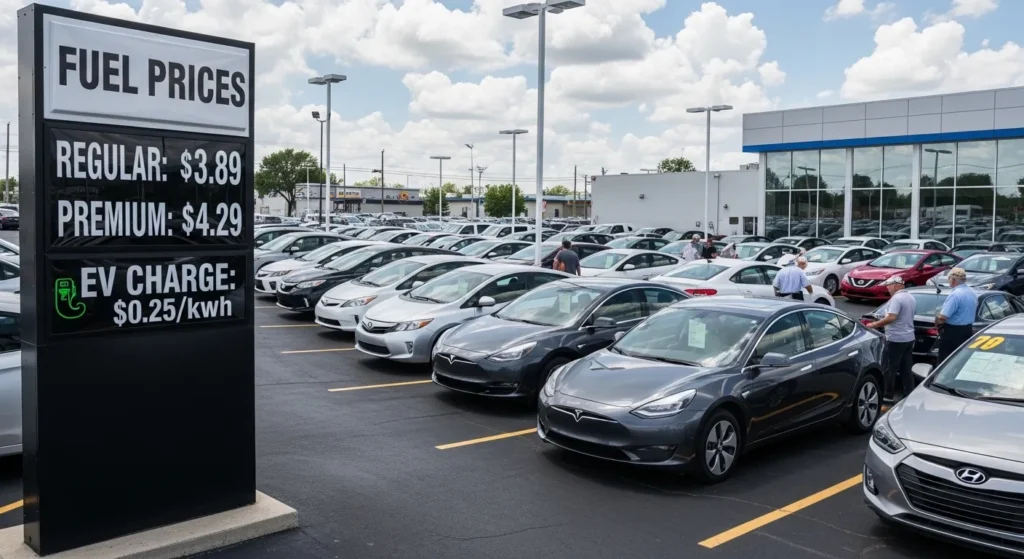
Fuel costs have a way of changing car-buying behavior fast. When drivers feel pressure every time they stop at the pump, priorities shift. Big horsepower and flashy upgrades become less important, while practicality, mileage, and long-term savings move to the front of the conversation. That is one big reason fuel efficient used cars 2026 has become such a strong topic for buyers this year.
More shoppers are actively looking for pre-owned hybrids, efficient sedans, compact crossovers, and used EVs that can lower day-to-day driving costs. But this trend is not only about saving fuel. It is also about reducing financial uncertainty. Buyers want vehicles that feel smarter to own, not just cheaper to buy.
The result is a major change in how shoppers compare used cars. A low upfront price still matters, but efficiency now plays a bigger role in perceived value. If one vehicle saves meaningful money on fuel month after month, buyers are more willing to pay attention to it—even if the sticker price is slightly higher than a less efficient alternative.
Why Efficiency Has Become a Bigger Deal for Used-Car Buyers
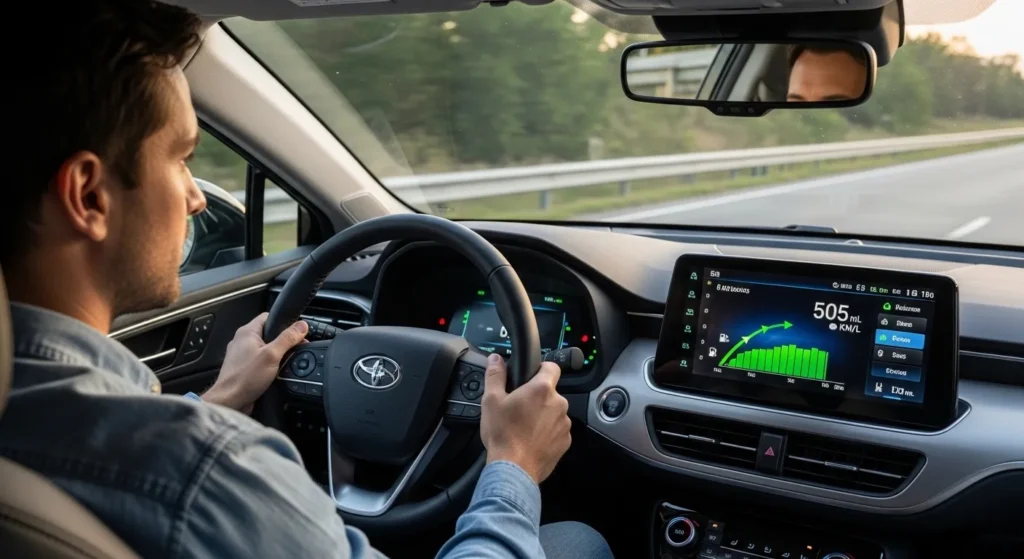
Drivers are thinking beyond the purchase price. They are asking better questions about how much a vehicle will actually cost to run. That includes fuel, maintenance, tire wear, and how suitable the vehicle is for commuting, school runs, delivery work, or weekend travel.
Fuel Savings Feel Immediate and Easy to Understand
Unlike some ownership costs that show up later, fuel expenses are constant and visible. Drivers notice them every week. That makes fuel economy one of the easiest benefits to understand when comparing two used vehicles.
For example, a shopper deciding between an older midsize SUV and a later-model efficient sedan can often see the difference in operating cost without needing complicated math. Over time, that difference adds up. For commuters and families, that alone can justify choosing the more efficient option.
Hybrids Appeal to Buyers Who Want a Middle Ground
Used hybrids continue to attract buyers because they offer familiar fueling habits with better efficiency than many traditional gasoline cars. For drivers who are not ready to switch fully to electric, a hybrid feels like a low-drama upgrade. It reduces fuel use, often holds value well, and usually does not require a major change in driving routine.
If this is the direction you are considering, read our post on why used hybrids are booming in 2026 for a more focused buyer checklist.
Used EVs Are Becoming More Realistic for Everyday Drivers
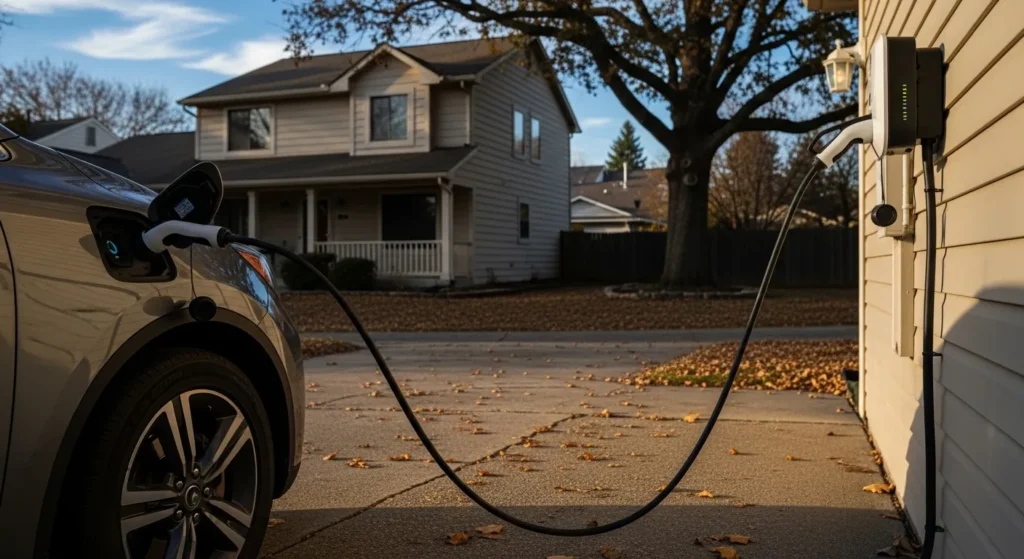
Used EVs are no longer just niche buys for early adopters. For many shoppers, they are now realistic commuter cars, second household vehicles, or budget-friendly daily drivers. Lower operating costs, fewer routine maintenance items, and a growing number of affordable used options are making them more appealing than before.
That said, buying a used EV still requires more homework than buying a regular gas sedan. Battery health, charging access, and real-world range matter a lot. Before making the jump, review our guide on pre-owned electric vehicle battery health so you know what to verify first.
Why Efficient Gas Cars Still Matter
Not every buyer wants a hybrid or EV, and that is fine. Efficient gasoline cars still have a strong place in the 2026 market. A dependable compact sedan, hatchback, or small crossover with good mileage can be the simplest solution for many households. It offers easier servicing, widespread parts availability, and no learning curve around charging or specialized systems.
This matters most for buyers who want a practical daily driver and minimal surprises. Sometimes the smartest move is not chasing the newest technology. It is buying the cleanest, best-maintained efficient gas vehicle you can comfortably afford.
How to Choose the Right Fuel-Efficient Used Car
Fuel economy is important, but it should never be the only reason you buy a vehicle. The best purchase is one that combines efficiency with reliability, suitability, and manageable ownership costs.
Match the Vehicle to Your Driving Pattern
Start by being honest about how you actually drive. If most of your trips are short city commutes, a hybrid may deliver excellent value. If you have easy home charging and mainly predictable daily mileage, a used EV might make sense. If you drive longer highway distances and want flexibility everywhere, an efficient gas sedan or crossover may still be the better fit.
Once you know your pattern, compare models based on your real use case instead of broad trends. A vehicle that is excellent on paper can still be the wrong choice if it does not suit your routine.
Check Maintenance Reality, Not Just MPG Numbers
Official fuel economy figures help, but ownership experience matters more. Look into common repair items, battery warranty coverage where applicable, tire replacement cost, and service intervals. Some efficient vehicles are cheap to run but expensive to repair if neglected. Others are extremely durable when properly maintained. You need the full picture.
If you are buying from a dealership, ask what inspections were completed and whether diagnostic scans are available. If you are buying privately, factor an independent inspection into your budget before you commit.
Think About Tech, Safety, and Long-Term Use
Many late-model efficient used cars come with advanced safety features, smartphone connectivity, and subscription-based connected services. Those extras can add convenience, but they can also change ownership expectations. Make sure features that matter to you still work, understand whether any connected functions require paid renewal, and confirm that driver-assistance systems have not been compromised by previous repairs.
For help with newer tech features, see used cars with connected services in 2026 and how to buy a used car with ADAS safety features in 2026.
The rise of fuel-efficient used cars in 2026 is not hype. It is a practical response to how people are trying to protect their budgets without giving up mobility. Whether you choose a hybrid, an EV, or an efficient gas model, the winning move is the same: buy based on verified condition, realistic ownership costs, and how the vehicle fits your actual life.
For more consumer research, you can compare efficiency and ownership guidance with resources from the U.S. Department of Energy FuelEconomy.gov and broader vehicle shopping information from Consumer Reports Cars.