
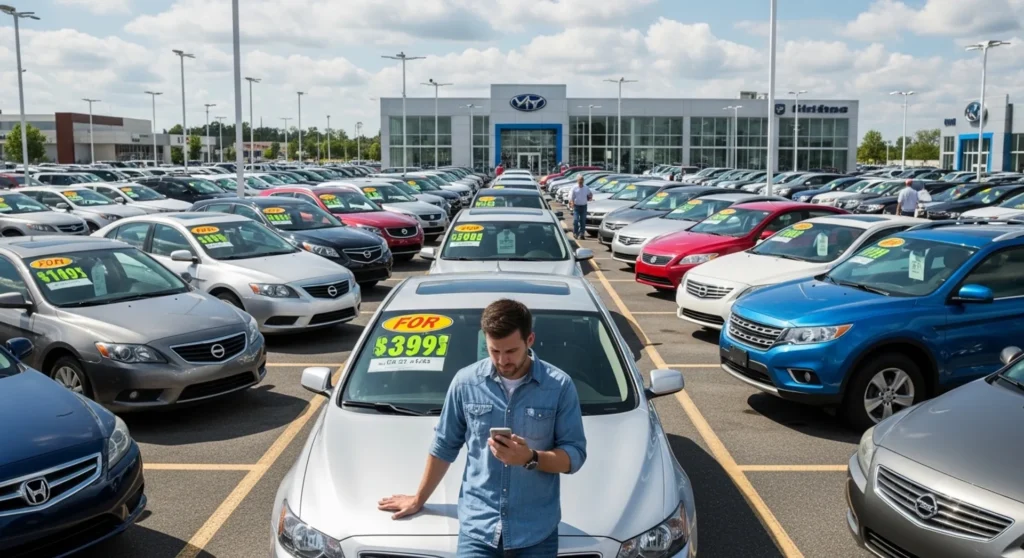
If you have been watching the automotive market this year, one thing is clear: the used car market is getting more attention again. For many shoppers, buying brand new no longer feels like the easy default. Higher vehicle prices, financing pressure, and uncertainty around future costs are forcing buyers to look harder at value. That is exactly why used car market trends 2026 matter so much right now.
For budget-conscious shoppers, the pre-owned market is no longer just a backup plan. It is the strategy. Buyers want something reliable, practical, and affordable without taking on the full financial hit of a new-car purchase. At the same time, dealerships and private sellers know demand is still there, which means shoppers need to be more deliberate than ever when comparing vehicles, pricing, condition, and long-term ownership costs.
The good news is that there is still real value in used vehicles if you know where to look. The key is understanding what is changing in the market and how those changes affect your timing, negotiation, and model selection.
Why More Buyers Are Turning to Pre-Owned Vehicles in 2026

The biggest driver is simple: affordability. Many shoppers are discovering that a late-model used vehicle can deliver most of what they want—modern safety tech, better fuel economy, smartphone integration, and solid comfort—without the price shock that often comes with a brand-new model.
New-Car Pressure Is Changing Buyer Behavior
When new vehicles get more expensive, more shoppers move into the pre-owned space. That creates stronger competition for clean, well-maintained used vehicles, especially models with strong reputations for reliability. Buyers who once planned to finance a new compact SUV or sedan are now comparing those same payments against a certified pre-owned vehicle or a well-kept three- to five-year-old model.
This shift also changes expectations. Shoppers are no longer looking only for the cheapest option. They want value, and value means balancing price with maintenance history, mileage, trim level, safety features, and projected ownership costs.
Tariffs Can Add Pressure Beyond New Cars
Even when a shopper is not buying a new vehicle, broader market pressure can still affect used inventory. If new vehicles become more expensive or harder for the average buyer to justify, more people stay in the used market longer. That added demand can strengthen prices on desirable used models, especially practical sedans, compact SUVs, and efficient crossovers.
Monthly Payment Matters More Than Sticker Price
Many buyers still focus on the total listed price, but the monthly payment is what often decides the deal. Interest rates, loan term length, and down payment size all shape affordability. A slightly more expensive used vehicle with a cleaner history and fewer near-term repair needs may actually be the better financial choice than the cheapest car on the lot.
Why Value Now Means More Than Just a Low Price
Used car shoppers in 2026 are thinking more carefully about total ownership cost. That includes insurance, registration, fuel economy, expected maintenance, tires, brakes, and the availability of replacement parts. A smart purchase is not only the one you can afford today. It is the one you can still afford six months from now without regret.
This is where research pays off. If a vehicle has a reputation for expensive repairs, weak resale value, or recurring transmission problems, the “deal” can disappear fast. That is why reading service history, checking recalls, and paying for a pre-purchase inspection are not optional moves anymore. They are part of responsible buying.
How to Shop Smarter in Today’s Used Car Market
The strongest buyers in this market are not the fastest buyers. They are the prepared ones. If you want to win in a competitive market, you need a process that helps you filter emotion out of the deal.
Start With the Right Vehicle Shortlist
Before you visit a dealership or message a seller, decide what type of vehicle actually fits your life. A commuter may need fuel efficiency and lower running costs. A parent may care more about rear-seat space, safety features, and cargo room. A first-time buyer may need a car with simple maintenance and affordable insurance.
Build a shortlist of three to five models instead of locking yourself into one exact car. That gives you leverage. If one vehicle is overpriced, has an incomplete history, or feels wrong on the test drive, you can move on without starting over from zero.
Look Closely at History and Inspection Records
Always ask for the vehicle history report, service records if available, and details on accident repairs. Then confirm what you can with an independent mechanic. A polished exterior and a freshly detailed interior do not prove mechanical health. The inspection should cover brakes, tires, leaks, suspension wear, fluid condition, battery health where relevant, and any dashboard warnings or stored fault codes.
If you are considering a vehicle with newer safety technology, read our guide to buying a used car with ADAS safety features in 2026. If you are comparing long-term value, our article on why certified pre-owned cars are trending in 2026 can also help.
Use Financing as a Negotiation Tool
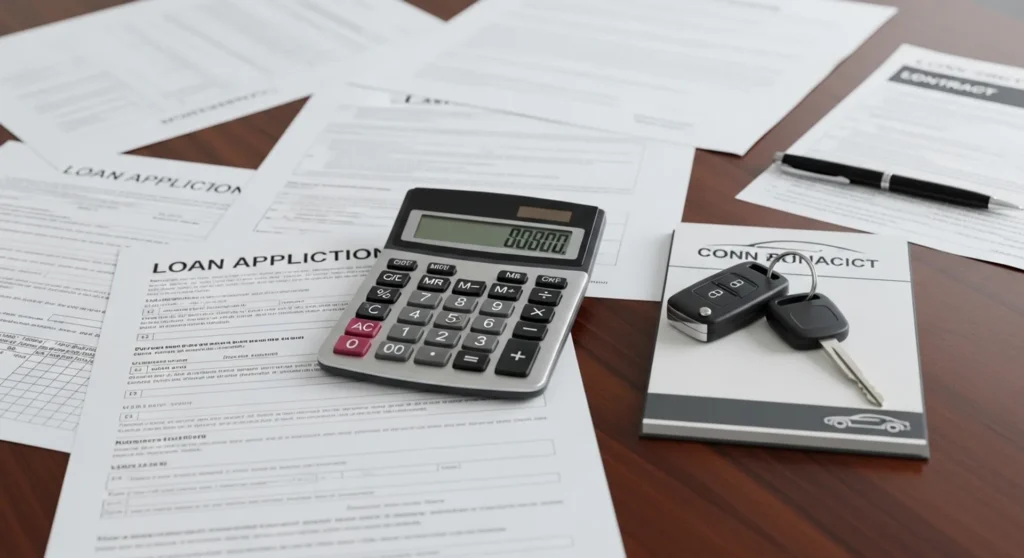
Get pre-approved before shopping if possible. That gives you a realistic budget and helps you compare dealership financing against outside options. It also keeps the conversation grounded. Sellers love payment-focused buyers because it becomes easier to stretch the term and hide the true cost. A prepared buyer flips that advantage back the other way.
You can also strengthen your decision-making by reviewing how to secure the best financing for your used car purchase and the ultimate guide to buying a reliable pre-owned vehicle.
The used market in 2026 is not impossible. It just punishes careless buying more than before. If you stay focused on vehicle condition, total ownership cost, financing structure, and real-world usefulness, there are still strong deals out there. The goal is not to chase the lowest number on the screen. The goal is to buy a vehicle that makes financial sense and stays dependable after the excitement of the purchase wears off.
For extra consumer guidance on inspections and ownership costs, you can also review resources from Consumer Reports and valuation tools from Kelley Blue Book.