
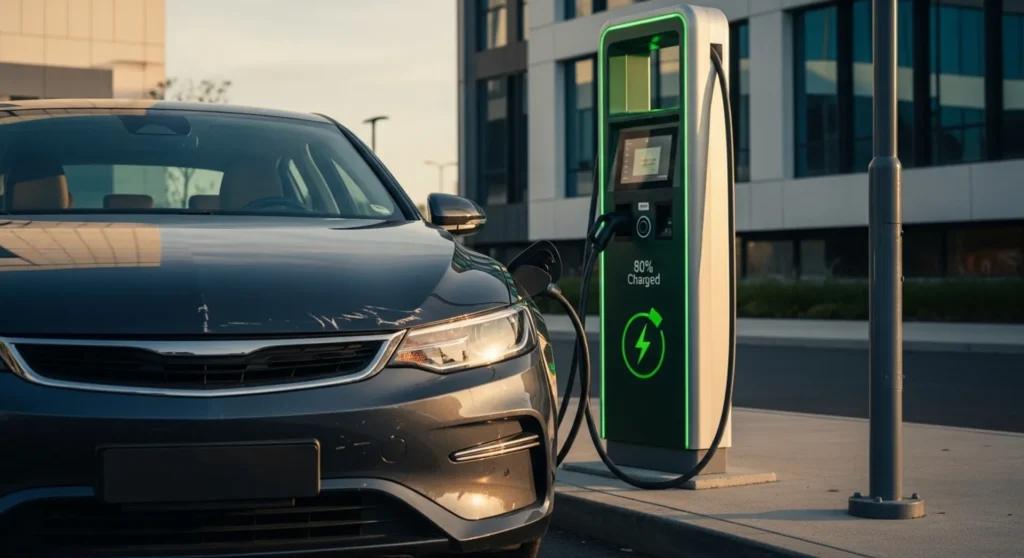
If you have been watching the pre-owned car market lately, one trend stands out fast: used EV prices 2026 shoppers are seeing look far more attractive than they did even a year ago. Electric vehicles are no longer limited to buyers chasing the newest tech or the biggest monthly payment. In 2026, a growing number of drivers can finally consider a pre-owned EV as a realistic everyday car.
The reason is simple. More electric vehicles are reaching the used market, more buyers are comparing total running costs instead of sticker price alone, and dealerships now have a better chance to match shoppers with EVs that fit real-world needs. That combination is making the current moment one of the most interesting buying windows in recent years.
At Presta Cars, the smart move is to look past hype and focus on value. Lower prices alone do not make every used EV a good purchase. What matters is finding the right model, checking battery condition, understanding charging needs, and comparing the full ownership picture with a gas or hybrid alternative.
Why Used EV Prices 2026 Buyers Are Watching So Closely
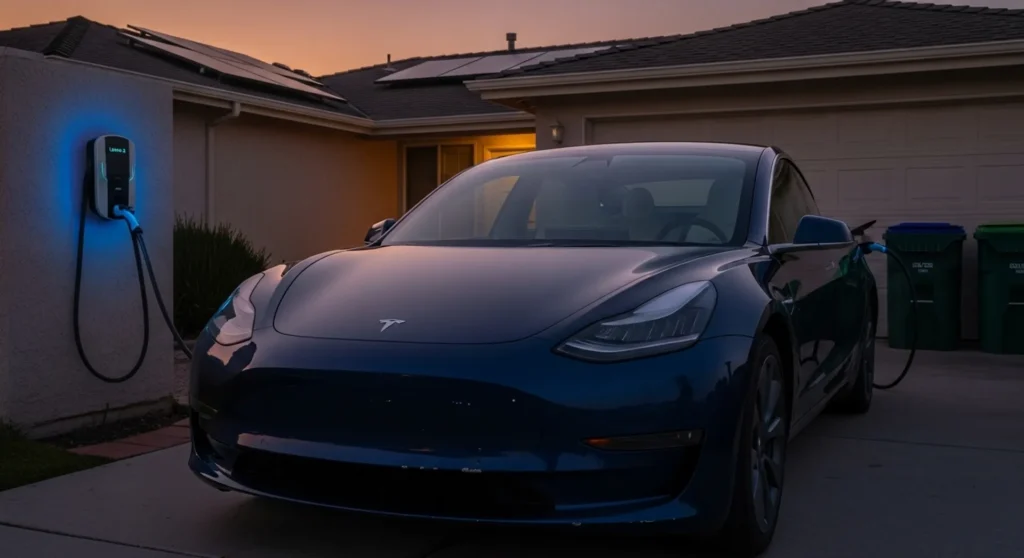
In the past, many shoppers dismissed electric vehicles before they even looked at the listings. The assumption was that EVs would be too expensive, too limited, or too complicated. That is changing. As more off-lease electric cars enter the market, buyers have more choice in body styles, brands, battery sizes, and price points.
For shoppers, more supply usually means more negotiating power. You are no longer choosing from a tiny group of early-adopter cars. You are comparing newer models with better range, more refined interiors, and stronger safety technology. That wider selection gives buyers room to think practically instead of emotionally.
This also matters because pricing is only one side of affordability. Many drivers making the switch want to reduce fuel costs, routine maintenance, and day-to-day running expenses. When the purchase price gets closer to what people already spend on a used gasoline car, the EV conversation becomes much more serious.
What Is Pushing Prices Down?
Several forces are working together. First, more leased EVs are now returning to the market, which increases inventory. Second, some buyers still hesitate because of battery fears, charging questions, or resale uncertainty. Third, new EV demand has softened in some areas, which puts even more attention on the used segment where value looks stronger.
That creates an opening for smart buyers. When a market has more supply than hype, the shopper who does proper homework usually wins. Instead of paying a premium just to join a trend, you can compare more vehicles and focus on condition, service history, warranty coverage, and battery health.
If you want deeper guidance on battery checks, read our Pre-Owned Electric Vehicle Battery Health: What Buyers Must Know in 2026. It pairs naturally with this trend because a cheaper EV is only a bargain if the battery still supports your driving needs.
Why This Trend Is Good for Everyday Buyers
For the average household, the biggest win is access. A few years ago, even shoppers who liked the idea of an electric vehicle often ended up buying a compact gas sedan because the price gap was too wide. In 2026, that gap has narrowed enough that more buyers can compare monthly cost, operating cost, and ownership value side by side.
A pre-owned EV can make a lot of sense for drivers with predictable routines. If your daily driving is mostly commuting, school runs, errands, and local trips, you may not need a huge battery or a luxury model. You may simply need dependable transportation with lower fuel and maintenance exposure.
It can also be a smart second-car option for families. One household vehicle can remain the long-trip SUV or crossover, while the electric vehicle handles the daily miles. That setup lets buyers get the efficiency advantages of EV ownership without forcing every use case onto one car.
If you are still comparing whether a pre-owned vehicle is the better financial move overall, our article on The Used Electric Vehicle Revolution: Why 2025 Is the Perfect Time to Buy a Pre-Owned EV gives helpful background on how EV affordability has been evolving.
How to Shop Smart in This Market
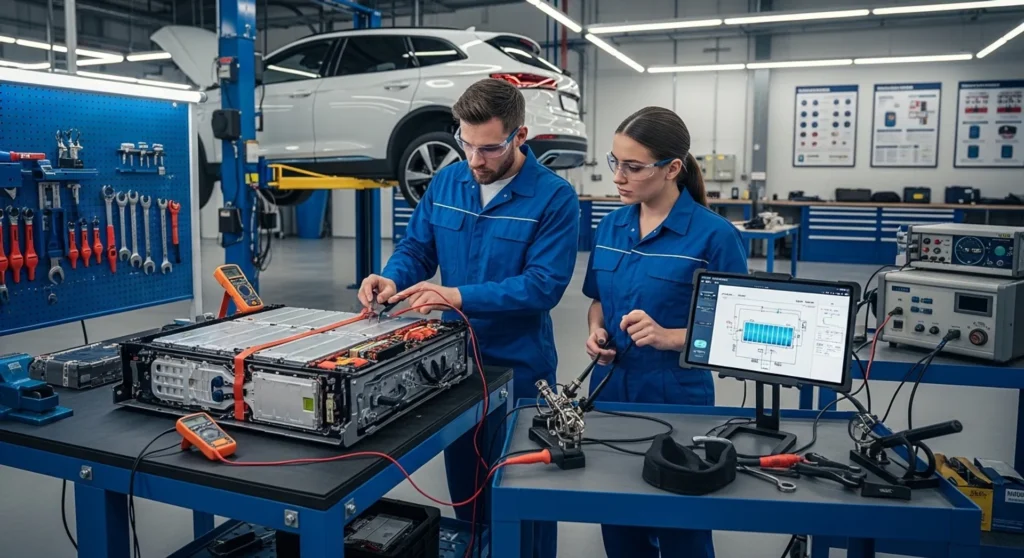
Do not buy a used EV just because the price looks low. Start with your routine. How far do you drive in a normal week? Can you charge at home? Do you have reliable workplace or public charging nearby? The best EV deal is the one that fits your actual life, not the one that only looks impressive in a headline.
Next, verify battery condition. Ask for any available battery health report, service records, or diagnostic information. If the seller cannot provide meaningful answers, that does not automatically make the car bad, but it does mean you need to be more cautious. In the used EV market, battery confidence matters more than odometer bragging rights.
You should also check the warranty situation. Some EV battery warranties transfer to second owners, and that can make a real difference in peace of mind. Review remaining coverage, mileage limits, and manufacturer conditions before you buy.
Then move to charging practicality. A car with solid range on paper can still become annoying if your charging setup is weak. Home charging is the easiest ownership path for many buyers. If that is not available, look honestly at the charging network you would use most.
Finally, inspect the rest of the car like any other used vehicle. Tires, brakes, suspension wear, accident history, interior condition, and ADAS calibration still matter. If the vehicle has advanced safety features, our guide on How to Buy a Used Car With ADAS Safety Features in 2026 is worth reading before you commit.
Common Mistakes Buyers Still Make
The biggest mistake is assuming all EVs are the same. They are not. Range, charging speed, software support, battery cooling, and ownership experience can vary a lot between models. A low price can hide a weak fit for your driving pattern.
Another mistake is focusing only on purchase price and ignoring total ownership value. Value also includes charging setup, insurance, tire replacement, expected range in real conditions, and how long you plan to keep the vehicle.
Some buyers also overestimate how much range they truly need. Others underestimate how important charging convenience is. You need balance. Do not buy a long-range EV you cannot really afford just to avoid range anxiety on trips you rarely take.
One more mistake is skipping a broader comparison. In some cases, a used hybrid may still be the better answer for your budget, lifestyle, or location. If that is your lane, our Car Buying Tips hub can help you compare your options more clearly.
Final Thoughts
Used EV prices 2026 shoppers are seeing right now are not just another automotive headline. They reflect a real shift in supply, affordability, and buyer leverage. More vehicles are entering the used market, more shoppers are open to electric ownership, and smart buyers now have a better chance to get efficiency and everyday practicality without paying a premium.
The move here is simple: do not chase hype, chase fit. Compare your routine, verify the battery, understand charging, inspect the full vehicle, and buy with a plan. If you do that, 2026 could be one of the best years yet to get serious value from a pre-owned electric vehicle.
External resource: For official EV charging and ownership guidance, visit the U.S. Department of Energy Alternative Fuels Data Center.