
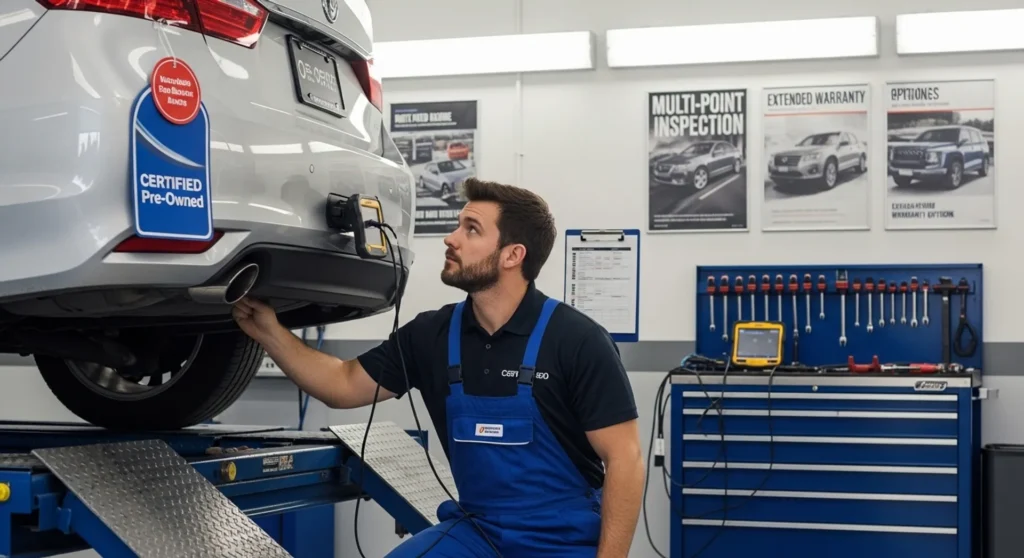
If you have been shopping for a vehicle lately, you have probably noticed a clear pattern: buyers still want the savings of a used car, but they do not want the usual uncertainty. That is why certified pre-owned cars are getting so much attention in 2026. They sit in the middle ground between brand-new pricing and old-school used-car risk.
For many shoppers, that balance matters more than ever. Vehicles are more expensive, financing still shapes the decision, and late-model used cars now include more screens, sensors, cameras, and driver-assistance features. A certified pre-owned vehicle can make sense because it often brings a newer model year, lower mileage, a better inspection trail, and some kind of added warranty coverage. Still, not every certified vehicle is automatically a smart buy, and not every higher price is justified.
What certified pre-owned really means
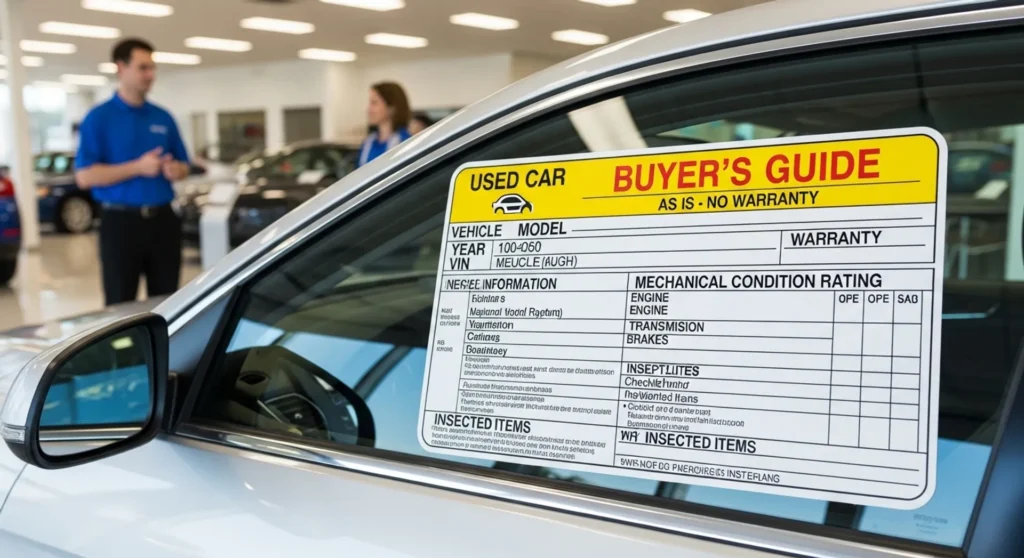
A certified pre-owned vehicle, or CPO, is not just any used car on a dealership lot. In most cases, it must meet requirements tied to age, mileage, condition, and vehicle history. It also goes through a multipoint inspection and some level of reconditioning before it can be sold as certified.
That sounds simple, but there is a catch: certification programs are not identical. Some are manufacturer-backed. Others are dealer-backed. Some include strong warranty terms and roadside assistance. Others offer only limited coverage. That is why buyers should compare the program itself, not just the badge on the windshield.
If you want more background before comparing listings, read Why Choose a Certified Pre-Owned Vehicle? and Top Tips for Buying a Quality Pre-Owned Vehicle.
Why CPO inventory is getting more attention in 2026
Buyers are not only comparing prices anymore. They are comparing risk. A lot of people are willing to pay a little more for a vehicle with cleaner paperwork, stronger inspection standards, and some warranty protection. That is especially true for newer used cars with advanced electronics and safety systems.
Modern used vehicles can be excellent values, but they can also become expensive fast when repairs involve electronics, calibration, or major reconditioning. That is one reason CPO inventory feels safer to many shoppers. It offers more predictability, which matters when budgets are already tight.
Prestacars is already covering the exact areas buyers care about most, including ADAS safety features in used cars, pre-owned EV battery health, and used-car financing. A new CPO piece fits naturally because it connects all three.
How to buy a certified pre-owned car without overpaying
1. Compare the certification program, not just the vehicle
Two similar cars can both be labeled certified and still offer very different value. Ask what the certification actually includes. Is the warranty bumper-to-bumper, powertrain only, or just a short extension? Is roadside assistance included? Is there a repair deductible? Can the warranty transfer to the next owner?
Do not let the word certified do all the selling. Ask for the inspection checklist and read the fine print.
2. Measure the CPO premium against real benefits
A certified vehicle usually costs more than a comparable non-certified used car. Sometimes that premium is worth it. Sometimes it is not. The right question is not whether the CPO model costs more. The right question is what you get for the extra money.
If the higher price buys you meaningful warranty coverage, lower mileage, better reconditioning, and cleaner documentation, the premium may be justified. If the gap is large and the added protection is weak, a standard used vehicle plus an independent inspection may be the better move.
3. Ask for paperwork, not sales talk
You should never buy a CPO vehicle based on appearance alone. Request the vehicle history report, service records if available, reconditioning summary, and full inspection checklist. Also review the federal Buyers Guide, which dealers are required to display on used vehicles under the FTC’s Used Car Rule. You can read more at the FTC’s Buyers Guide resources.
The paperwork tells you whether the certification is meaningful or mostly marketing.
4. Check recalls and safety tech carefully
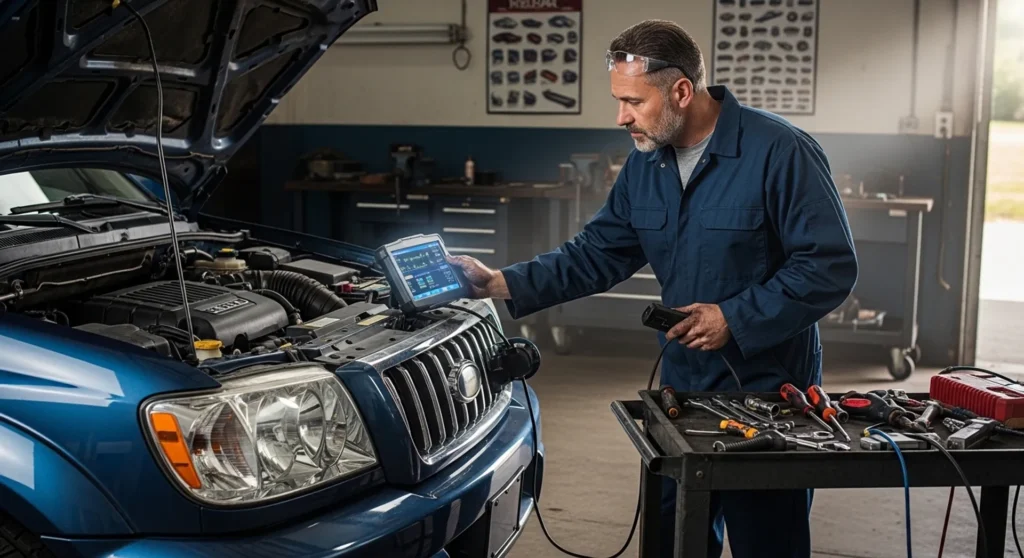
Even with a certified vehicle, you still need to verify recalls. Use the official NHTSA recall lookup tool and run the VIN before purchase. It only takes a few minutes and helps you avoid inheriting an unresolved safety issue.
You should also pay close attention to driver-assistance features like blind-spot monitoring, lane-keeping assist, adaptive cruise control, and forward-collision warning. If a vehicle has had windshield work, bumper repair, or collision damage, calibration history matters. That is one reason our guide on buying a used car with ADAS safety features is worth reading before you shop.
5. Review warranty coverage like a skeptic
Warranty language matters more than most buyers realize. Ask where the original factory warranty ends and where the CPO coverage begins. Confirm what is excluded, whether wear items are covered, and whether repairs must be done at a specific franchise dealer.
This matters even more if you are considering a hybrid or EV. On electrified vehicles, you should understand battery-related coverage, remaining factory warranty, and what transfers to the next owner. If that is your lane, read Pre-Owned Electric Vehicle Battery Health: What Buyers Must Know in 2026.
6. Take the test drive seriously
A CPO badge does not remove the need for a real test drive. Start the car cold if possible. Listen for rough idle, brake noise, drivetrain hesitation, warning lights, or infotainment glitches. Test the cameras, parking sensors, Bluetooth, climate controls, and seat functions. On hybrids, pay attention to transitions between gas and electric operation. On EVs, review charging information and real-world range expectations.
If the car feels wrong, trust that signal. Certification should make you more confident, not less careful.
7. Run the financing numbers before signing
A slightly higher price can become a much bigger cost once interest is added. Review the total loan cost, not just the monthly payment. Compare lenders, understand the APR, and avoid stretching your budget for a badge alone. Prestacars’ guide on how to finance your next pre-owned car with confidence is a strong follow-up if you are still building your budget.
When a standard used car may be the better move
Let’s be blunt: certified pre-owned is not always the winner. If you are buying an older budget vehicle, paying cash, or shopping in a category where the CPO premium is too steep, a standard used car may offer better value. The key is to replace certification with diligence. That means checking the history report, arranging a solid inspection, taking a careful test drive, and budgeting honestly for repairs and maintenance.
That is also why it helps to revisit Essential Maintenance Tips for Your Used Car and How to Improve Your Credit Score Before Applying for a Car Loan. Buying smart is only half the job. Owning smart matters too.
Final thoughts
Certified pre-owned cars are trending in 2026 for a simple reason: buyers want more confidence without jumping all the way to new-car prices. A strong CPO vehicle can offer cleaner history, added warranty protection, better inspection standards, and a less stressful ownership experience.
But the smartest buyers still verify everything. They compare the actual certification benefits, check the VIN for recalls, review the paperwork, test the safety features, and run the financing numbers before signing. Do that, and a certified pre-owned car can be one of the best-value buys on the market this year.